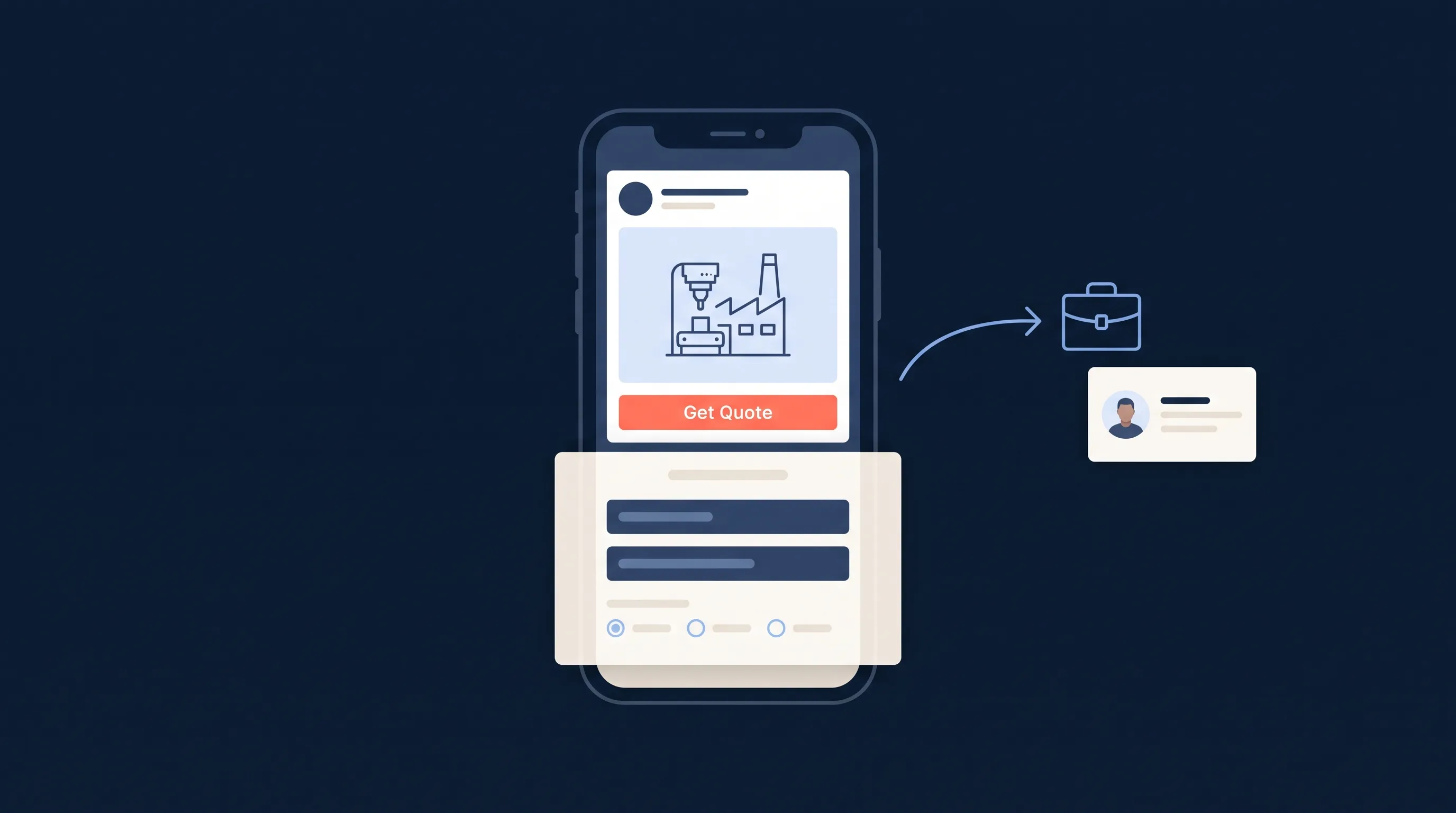
Facebook ads for higher education are student recruitment campaigns run across Facebook and Instagram, used by universities, colleges, vocational schools, and online course providers to generate inquiries from prospective students. The most effective format is the lead ad: a prospect taps the ad and submits their details and program interest without leaving the platform.
This guide covers targeting (and the under-18 restriction), form design, creative that converts, and the follow-up infrastructure that turns inquiries into enrollments.
Why Lead Ads Fit Student Recruitment
Nobody enrolls in a degree from an ad. Enrollment starts with a small step: requesting a course guide, booking an open day, or registering for an info session. That inquiry-first pattern is exactly what Facebook lead ads are built for:
- Pre-filled forms remove friction at the moment of curiosity, especially on mobile where most discovery happens
- Custom questions capture program interest and intended start date, so admissions opens with a relevant conversation
- A low-commitment ask (a guide, a session, a call) matches where the prospect actually is in their decision
Education performs strongly in this format. Our lead ad industry examples breakdown covers what top-performing education ads look like, including why career-outcome framing wins.
Targeting Prospective Students in 2026
Education is not one of Meta’s Special Ad Categories (those cover housing, employment, credit, and social issues), so the full targeting surface remains available. Three things to know:
1. The under-18 restriction. Ads delivered to people under 18 can only be targeted by age and location. If you recruit school leavers directly, your targeting options for that segment are deliberately blunt; many providers aim at 18+ prospects and parents instead.
2. Useful signals that remain. Age ranges aligned to your intakes, education status (in high school, in college, recent grads), field-of-study interests, and location around your campuses or service area. Under Advantage+ Audience these act as starting signals the algorithm expands beyond; see our targeting guide for how that works now.
3. Your own audiences beat cold interests. Website visitors, video viewers, past inquirers, and alumni lists make strong Custom Audiences, and your enrolled-student list is the best Lookalike source you have.
How Do You Target College Students on Facebook Ads?
Most recruitment campaigns are really three campaigns, because a college student, a working adult considering a postgraduate program, and a parent respond to different ads and sit in different audiences. Build them separately.
| Segment | Starting signals | Notes |
|---|---|---|
| Prospective undergraduates | Age 18 to 24; a radius around each campus plus the regions you recruit from; education status and field-of-study interests | The largest pool and the most competitive. Lead with the outcome, not the campus. |
| Postgraduate and online students | Age 25 to 34 (wider for executive programs); job titles and industries that feed the program; interests in professional certifications | Usually higher cost per inquiry and much higher value. Online programs can drop the geographic radius entirely. |
| Parents | Age 40 to 55; location around feeder high schools; interests in college planning and financial aid | Parents often fill the form on a student’s behalf. Add a form question that asks who the inquiry is for. |
| International students | Country-level targeting for your recruitment markets; interests in studying abroad and English proficiency tests | Pair with a form question on intended start date; visa timelines make this the qualifier that matters. |
Two rules sit over all four segments. First, treat interests and education signals as a starting point. Under Advantage+ Audience, Meta expands beyond whatever you select, so the signals steer the first days of delivery and the lead-form outcomes steer the rest. Second, your own audiences beat any interest: website visitors, video viewers, past inquirers, open-day registrants, and above all a Lookalike built from your enrolled-student list. An enrolled-student Lookalike at 1 to 3 percent is the single best cold audience a college has.
If you need to reach school leavers who are under 18, you can only target by age and location, so plan that segment around location and creative rather than interests.
Designing the Lead Form
Name and email come pre-filled. Use your custom questions to qualify:
- Program or field of interest (multiple choice mapped to your faculties or courses)
- Intended start (next intake / this year / next year / just exploring)
- Current status (high school student, working professional, career changer)
- Phone number if your admissions process is call-based
“Just exploring” answers are not junk; they are nurture-list entries. Route them to an email sequence instead of a phone call. For the volume-versus-quality mechanics, see qualifying leads with lead ads.
Creative That Converts: Sell the Outcome
The consistent pattern across education advertisers:
- Career outcomes over curriculum. “Start your career in cybersecurity” beats “Diploma of Information Technology, 18 units.”
- Proof reduces anxiety. Placement rates, graduate stories, employer logos.
- Address cost early. Financial aid, payment plans, and scholarship mentions lift completion rates on the form.
- Student-made video. Authentic testimonial clips outperform polished campus montages, the same pattern we see with user-generated video across industries.
- Pair with an event. A free info session or webinar gives undecided prospects a next step that is easier to say yes to than an application; our webinar lead generation guide covers the format.
The Follow-Up Problem: Long Cycles, Short Attention
Higher education has one of the longest consideration cycles in lead generation: months can pass between a first inquiry and an enrollment. That creates two requirements that pull in opposite directions:
Respond instantly. Harvard Business Review research found contacting a lead within 5 minutes makes you 100x more likely to connect than waiting 30 minutes. A prospective student comparing three providers usually engages with whoever answers first. Meta does not notify you when a lead arrives, so route every inquiry in real time:
- Instant email notifications to the admissions inbox with the form answers attached
- SMS alerts for high-intent inquiries (next-intake start dates)
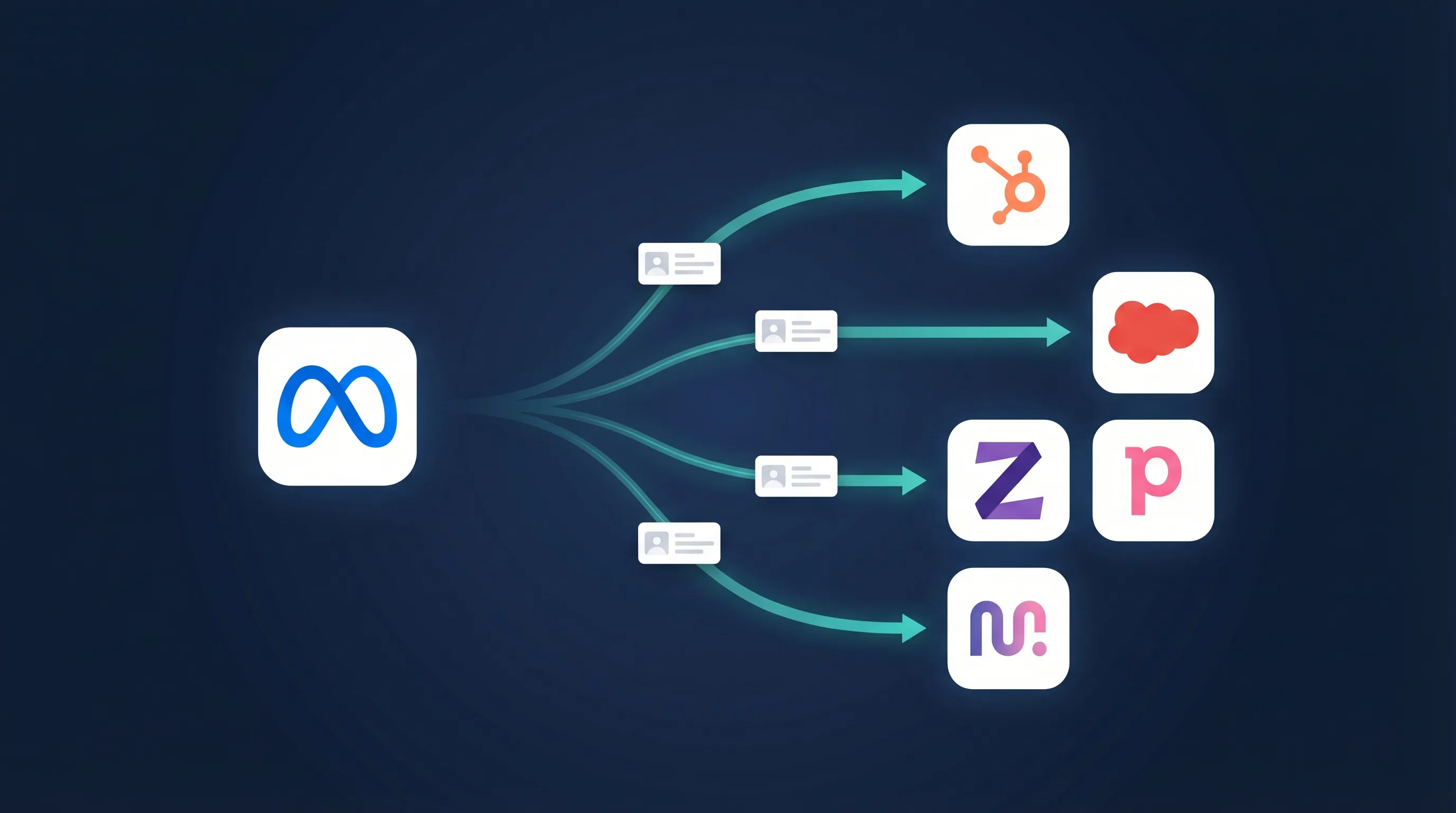
- CRM sync so inquiries land in your admissions pipeline automatically
- An email autoresponder that delivers the promised course guide immediately
LeadSync handles all four, delivering each lead in under 60 seconds. The speed to lead data explains why this single operational change often beats creative optimization.
Then nurture for months. Most inquiries will not enroll this intake. Segment by their form answers (program, start date, status) and run a sequence that matches: application deadline reminders, student stories from their field of interest, scholarship dates. Our lead nurturing email guide covers cadence and content.
Measure Enrollments, Not Inquiries
Cost per inquiry is a vanity metric if those inquiries never enroll. Two upgrades:
- Score inquiries by program demand, start date, and engagement so admissions prioritizes the right calls. See our lead scoring guide.
- Send enrollment outcomes back to Meta via the Conversions API so campaigns optimize for inquiries that become students, not just form fills.
And before any campaign goes live, send a test lead through each form to confirm it reaches your admissions team.
Frequently Asked Questions
Do Facebook ads work for student recruitment?
Yes. Prospective students and their parents spend time on Facebook and Instagram, and lead ads let them request information without leaving the platform. The format suits education well because enrollment starts with an inquiry (an info pack, an open day booking, a call with admissions), not an immediate purchase.
Is education a Special Ad Category on Meta?
No. Meta’s Special Ad Categories cover housing, employment, credit, and social issues or politics. Education campaigns keep full access to age, interest, and behavior targeting. The relevant restriction is separate: ads delivered to people under 18 can only be targeted by age and location.
How should a higher education lead form be structured?
Name and email pre-fill automatically, so spend your questions on qualification: program or field of interest (multiple choice), intended start date or intake, and current education status. A “just exploring” option helps route early-stage prospects into nurture instead of an admissions call.
How quickly should admissions teams follow up an inquiry?
Within minutes if possible. A prospective student who inquires about your program has usually inquired with competing providers in the same session, and early responders frame the decision. Real-time delivery of each lead to your admissions CRM or inbox is the operational fix.
How do you target college students on Facebook ads?
Start with age (18 to 24 for undergraduate intakes, 25 to 34 for postgraduate and online programs), a location radius around each campus or the regions you recruit from, and education and field-of-study interests as starting signals. Let Advantage+ Audience expand from there. Then add your own audiences: website visitors, video viewers, past inquirers, and a Lookalike built from your enrolled-student list, which outperforms any interest. Remember that people under 18 can only be reached by age and location.
What creative works best for higher education Facebook ads?
Outcome-led creative: the career, the salary band, the placement rate, or student stories. Video testimonials from current students and graduates consistently outperform campus beauty shots. Pair the creative with a low-commitment offer like a course guide or info session rather than a direct application push.
Get Inquiries to Admissions in Real Time
The provider that responds first usually frames the enrollment decision. LeadSync delivers every Facebook, Instagram, Google, LinkedIn, and TikTok inquiry to your email, SMS, and CRM within 60 seconds, with autoresponders included. Free for 7 days, no credit card required.