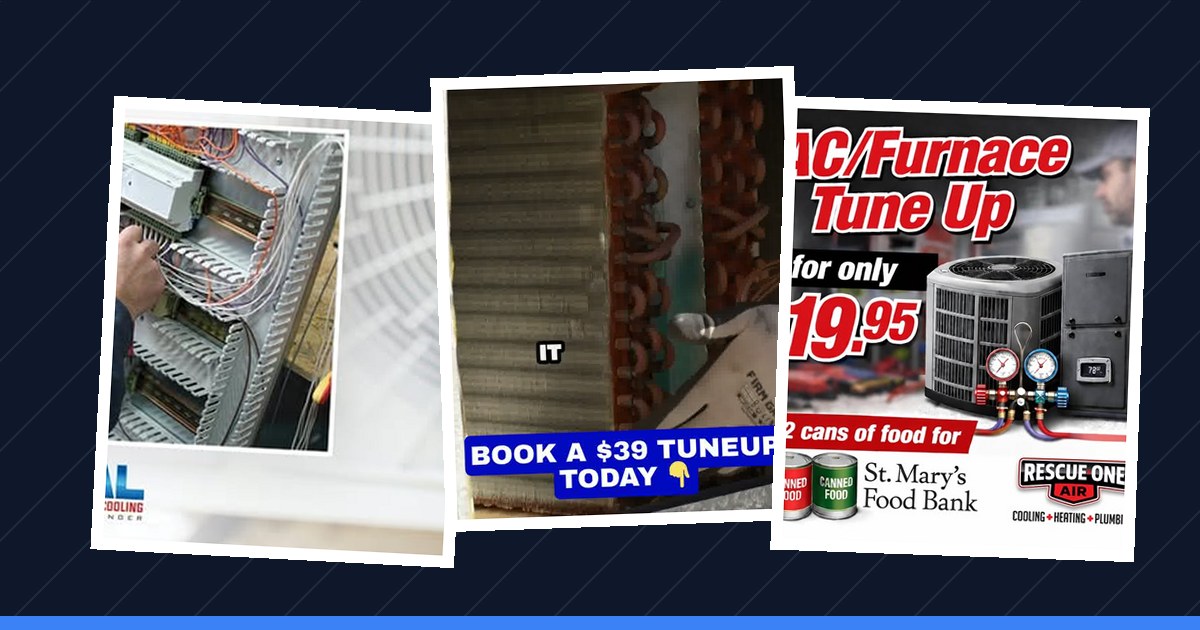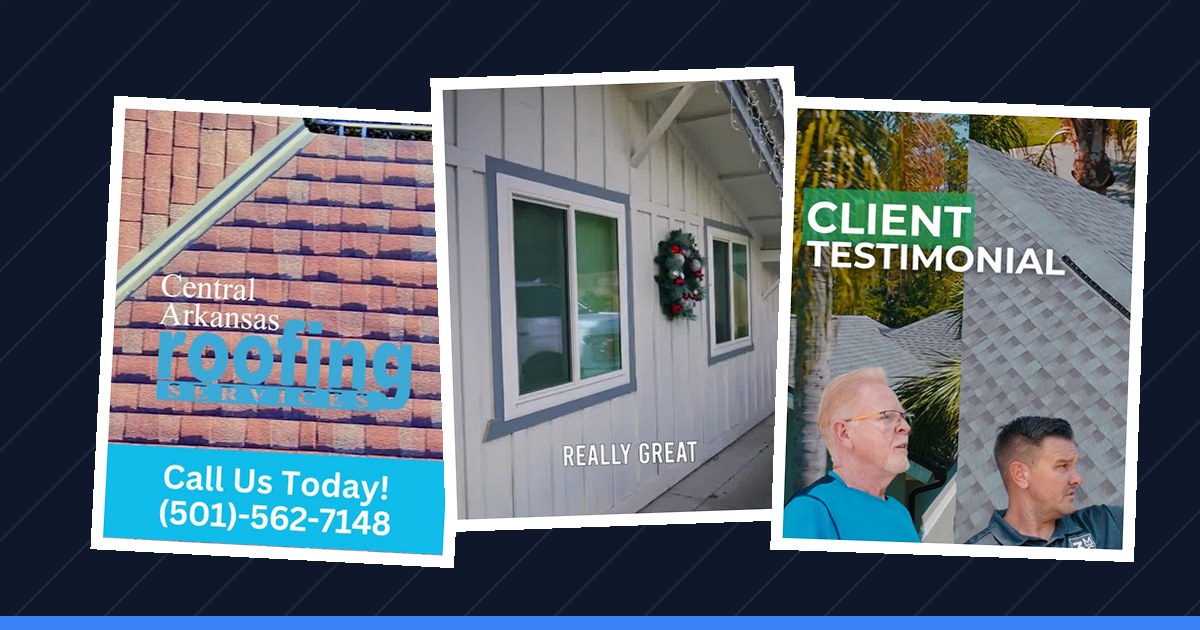
Want to know which solar Facebook ads actually work? Don’t guess, and don’t copy the loudest lead aggregator. Look at the ads solar companies keep paying for.
Meta doesn’t publish performance data for commercial ads, but the Meta Ad Library shows something almost as good: how long an ad has been running. An installer might fund a dud for a month. Nobody funds one for eight years. We pulled 620 active solar ads across the US, UK, Ireland and Australia, folded in the Australian ads from our earlier home services sweep, and shortlisted the 35 strongest, ranked by runtime and counted to 4 August 2026. The longest started in March 2018 and is still going.
This page is the solar edition of our industry series. Browse every industry we track in the lead ad library, or start at the Facebook lead ad examples hub.
How Do We Know These Solar Ads Work?
Runtime and repetition. Every ad in the sample was live in the public Meta Ad Library when we captured it, across searches like “free solar quote”, “solar rebate”, “solar battery” and “solar tax credit”. We recorded two signals:
- Start date. An ad that has run for 90+ days is paying for itself. 29 of our 35 qualified, 10 had been running for over a year, and the record holder since March 2018.
- Multiple versions. Advertisers that clone a winning creative across many ad IDs are scaling it, not testing it. One aggregator page runs 67 copies of a single “new solar program” hook, which tells you exactly what local installers are up against.
One caveat worth naming: runtime proves an ad converts well enough to keep funding. It doesn’t tell you the cost per install. Treat these as proven starting points to adapt, not guarantees.
What Do the Longest-Running Solar Ads Have in Common?
Different markets, different rebate schemes, same three moves. We describe each pattern in our own words and imagery below, because the original creatives belong to their advertisers and Ad Library links die when campaigns end. The pattern is the thing worth stealing, not the pixels.
1. The rebate deadline
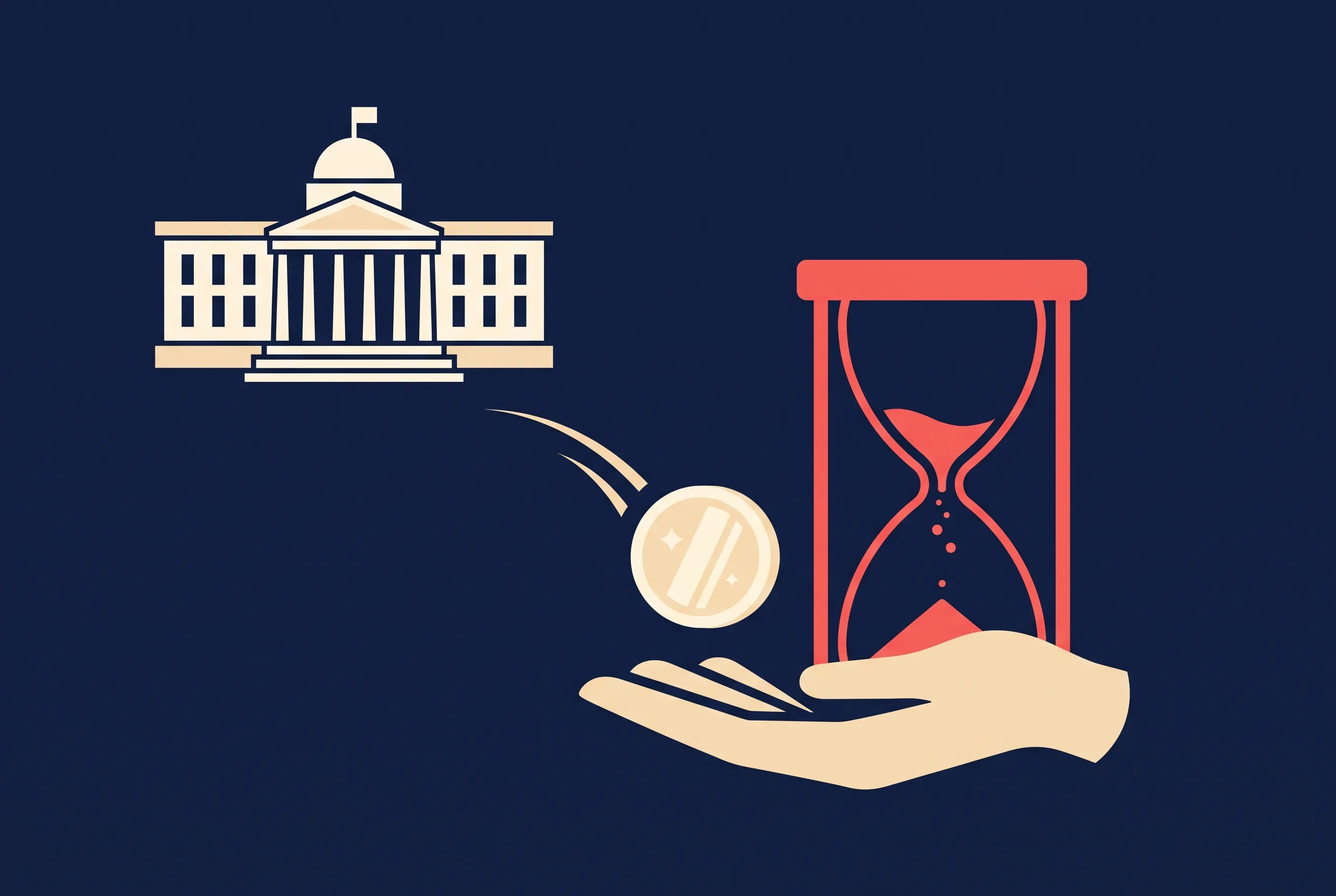
Solar’s strongest urgency is government money with a clock on it. Solar Power Nation (Australia): “NSW: 30kWh battery from $5,299, rebates dropping.” UNIfied Energy Services names the scheme and the amount: “VIC Homeowners: Don’t miss out on savings of up to $5,500 available thanks to the 2026 Solar Battery Rebates”, with “$0 upfront finance” attached. The sharpest versions add a qualifier that filters the audience in one line: “If you live in TAS and pay over $250/quarter for electricity then you’ll most likely qualify for this program” (Local Solar Rebates AU). In the US the same pattern rides the 30% federal tax credit; Burgeson’s (California) pairs it with a customer story.
Steal this: name the scheme, the dollar amount and the deadline, then qualify by state and bill size. “See if your home qualifies” converts because it reads as eligibility, not selling.
2. The bill shock reversal
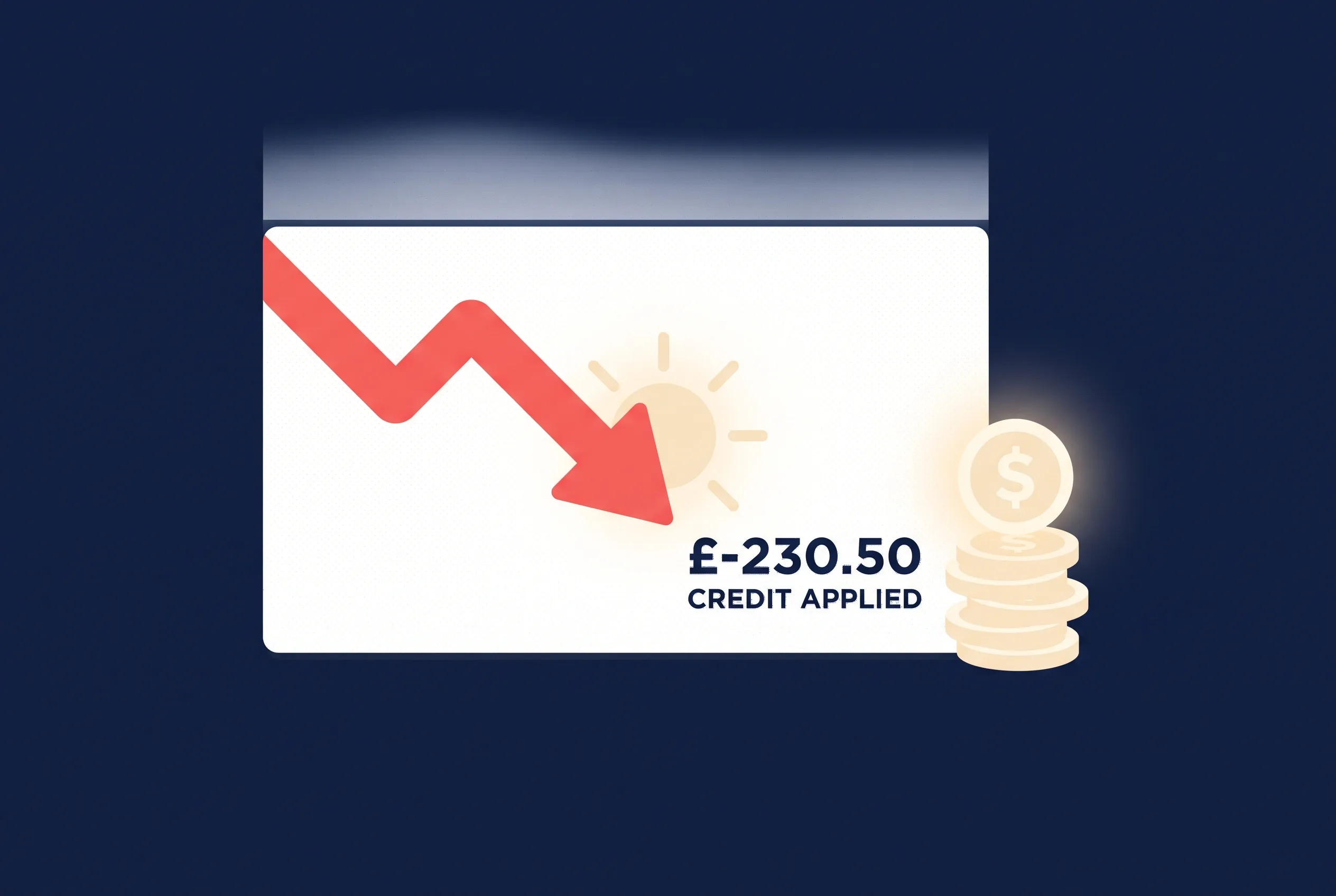
The power bill is the villain in every market, and the winners put a specific number on the reversal. Amber Electric’s multi-year runner is three words of outcome: “Bills into credit.” Burgeson’s tells it as a story: “Imagine opening your utility bill and seeing a credit instead of a charge.” Starks Electrical (UK, 1 year running) anchors a real install: “This Homeowner will save around 1,200 pounds a year on their electricity bill”, and Eco Installations Scotland leads with “Cut Your Energy Bills by Up to 70%”. Even the 8-year record holder, Allstate Solar (Australia), closes its $60-a-week package ad with “Say goodbye to electricity bill!!”
Steal this: don’t sell panels, sell the bill going away, and use a real number from a real install. A named saving from a named suburb beats a generic percentage.
3. The anti-cowboy trust play
Solar has a trust problem, and the smartest advertisers run against their own industry. RenewCo Solar: “Tired of solar companies selling you hot air?” Qvolt (Queensland, 2.1 years running) empathises first: “QUEENSLAND HOMEOWNERS: confused wading through endless options?” NES Ireland promises “you’ll be speaking directly with Larry or James, the directors of the company”, no call centres. Energy Solution Centre (Australia) tells the story of a customer who had “spoken to ten other companies, all online, no showrooms, no direct numbers” before finding them. Austral Energy stacks local proof instead: “Over 100 Bunbury homeowners trust Austral.”
Steal this: acknowledge the cowboy problem out loud, then prove you are the exception: named directors, a physical showroom, review counts with a place name attached.
The 12 Longest-Running Solar Facebook Ads
Runtimes counted to 4 August 2026. Page names appear as they do in the Ad Library.
| Advertiser | Market | Running | The hook | Steal this |
|---|---|---|---|---|
| Allstate Solar & Home Improvements | AU | 8.4 years | “5kw solar system… for just $60 a week. Say goodbye to electricity bill!!” | Price the system per week, not per project |
| Install Solar Panels | UK | 3.2 years | “Over 9 years of experience installing solar PV” | Years-in-business is a trust signal you already own |
| The Free Solar Quote | US | 2.6 years | “Residents In the Southeast That Pay More Than $67 For Electricity Need to Look Into This!” | Qualify by bill size right in the hook |
| ProSpark Electrical QLD | AU | 2.3 years | “6.6kW, 11.3kW, 13.3kW premium packages” | Menu pricing lets buyers self-select a tier |
| Qvolt Solar | AU | 2.1 years | “QUEENSLAND HOMEOWNERS: confused wading through endless options?” | Geo callout plus confusion empathy |
| Sunergy Solar & Batteries | AU | 1.9 years | “Is Your Solar System Working at Full Potential? Book Your Solar Health Check” | Sell a service to people who already have solar |
| Get Solar Quotes | IE | 1.4 years | “Get 4 quotes from trusted solar installers in your area. It’s 100% FREE” | The comparison framing, if you are the marketplace |
| NES Ireland Solar PV | IE | 1.2 years | “You’ll be speaking directly with Larry or James, the directors. No call centres” | Named humans beat brand voice in a low-trust category |
| Starks Electrical | UK | 1 year | “This Homeowner will save around 1,200 pounds a year” | Turn every completed install into an ad |
| C.R.C Electrical & Renewables | UK | 1 year | “15 panels, a 8.2kWh battery… self-sufficient for most of the year” | Spec transparency reads as honesty |
| Hobbs Group | AU | 11 months | “Free hot water upgrade quote, Blue Mountains and Penrith” | Hyper-local free quote, two suburbs named |
| Austral Energy Solutions | AU | 10 months | “Over 100 Bunbury homeowners trust Austral” | A small, specific, local number beats a big vague one |
What Other Patterns Show Up Across the 35 Ads?
- The instant estimate: Eco Installations Scotland promises a price guide “in under 20 seconds”; Bunnings’ battery offer gives “your instant estimate in less than 2 minutes”; Solar Choice built its whole position on instant online comparison. Speed-to-number is the micro-conversion.
- The install showcase: Starks, C.R.C, AJ Renewables and Intria Solar all run photos of real local installs with real specs and savings. The job you finished last week is next week’s best creative.
- Selling to existing solar owners: Sunergy’s “solar health check” targets underperforming systems. The second-hand solar market (upgrades, batteries, repairs) is an audience most installers ignore.
- Product-news hooks: Smart Energy Answers rides new battery tech (“SigenStor 5-in-1”); Bunnings sells batteries on a monthly subscription. New products give an evergreen category a reason to be timely.
- The advertorial: 3Quotes runs “BREAKING: Electricians reveal the #1 investment for 2026” across 6 versions. Borrowed-news framing still pulls, but it lives close to the compliance line.
- The aggregator flood: one “personal” page in our US sample runs 67 versions of a free-trial, check-your-ZIP-code solar ad. Homeowners get resold and over-called by this machine, which is precisely why the trust patterns above work so well for genuine local installers.
What Trust Marks Should a Solar Ad Show?
Every market in the sample has an accreditation that separates real installers from lead farms, and the winning local ads wear them:
- Australia: Clean Energy Council accreditation, and “New Energy Tech Approved Seller” status, which AZ Solar cites right in its ad copy.
- United Kingdom and Ireland: MCS certification (and SEAI registration in Ireland; Churchfield leads with being an “SEAI One Stop Shop”).
- United States: NABCEP certification, plus the state licence number your jurisdiction requires.
Rebate and tax-credit claims deserve the same care: name the real scheme and the real amount, and let the disclaimer carry the conditions, the way Amber’s “bills into credit” ad footnotes that results vary. Overpromised savings are the fastest route to refund demands and ad account trouble.
How Do You Find More Winning Solar Ads Yourself?
Open the Meta Ad Library, set your country, and search offer language rather than the word “solar”: try “solar rebate”, “free solar quote” or “solar battery”. Offer phrases surface lead ads; generic keywords surface everything. Then check the “Started running” date. Anything past 90 days is paying for itself. Our guide to spying on competitor Facebook ads walks through the full method.
What Happens After the Lead Form?
An ad that runs for eight years is only half the job. Solar leads comparison-shop harder than almost any other home-services lead: the homeowner filling in your form has usually filled in two others the same evening, and leads contacted within 5 minutes are 21x more likely to convert than leads contacted after 30.
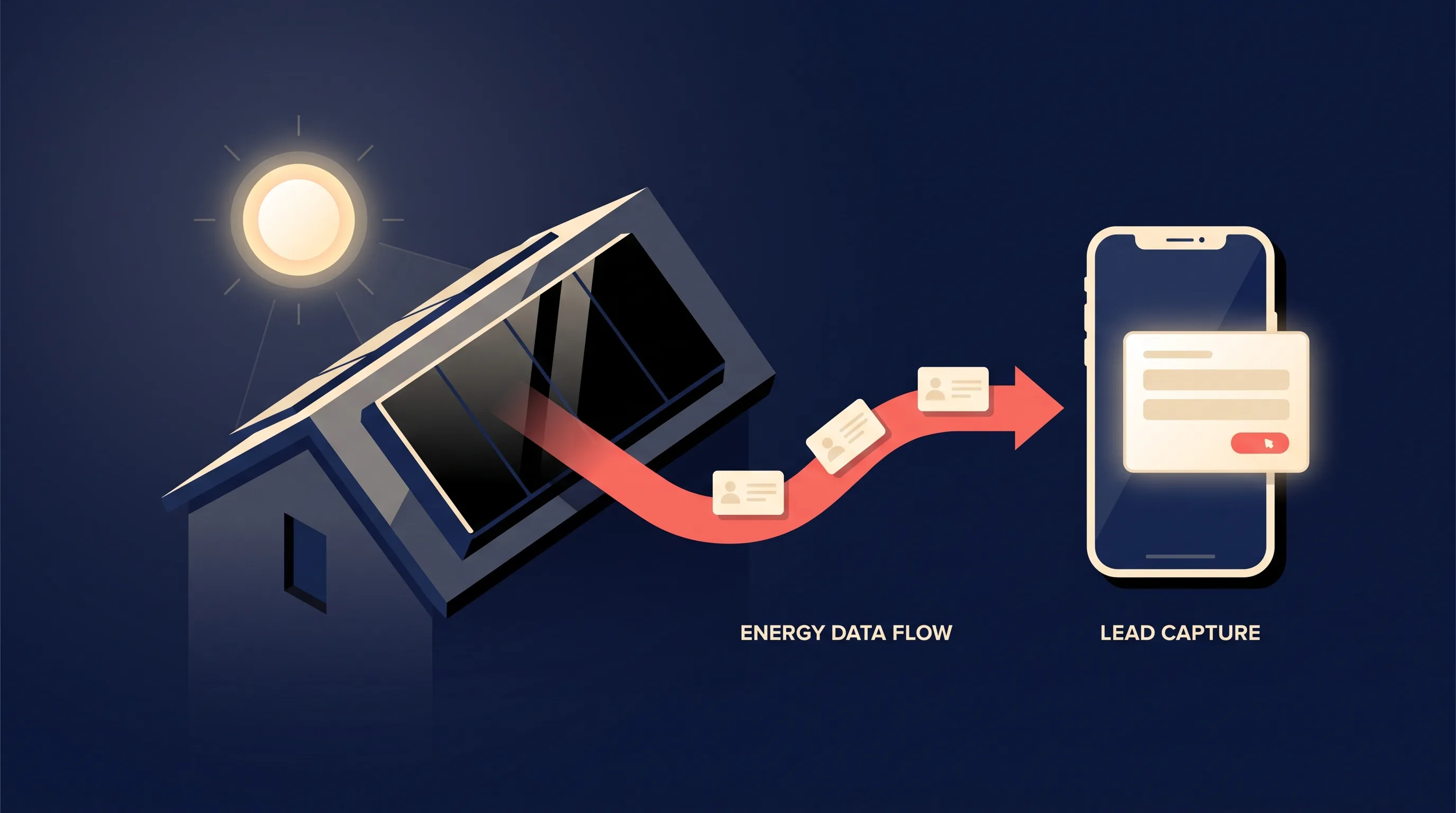
That gap is exactly what LeadSync closes. It pushes every new Facebook lead into your CRM, inbox or sales phone in seconds, so your team calls while the homeowner is still looking at their power bill. For the wider playbook on filling your pipeline, see our guide to solar lead generation.
Frequently Asked Questions
Do Facebook ads work for solar companies?
Yes, and runtime is the proof. Of the 35 solar ads we shortlisted, 29 had been running for 90 days or more, and the longest since March 2018. Installers do not keep funding ads that fail to produce quote requests. The catch is competition: aggregators run in the same auction, so trust signals decide who wins the click.
What is the best hook for a solar Facebook ad?
The rebate deadline (a named incentive with an amount and an expiry) and the bill shock reversal (a specific saving, or a bill in credit). Both work harder with a qualifier like “if you pay over $250 a quarter for electricity”.
How much do solar Facebook leads cost?
Solar falls under Home & Home Improvement in our benchmarks at roughly $41 per lead. Tight geo-targeting and a bill-size qualifier on the form pull that down; a loose form fills with renters and low-bill households.
Why are solar Facebook leads low quality?
Usually the form and the follow-up, not the platform. Qualify with one or two questions (homeowner or renter, average power bill) and respond within minutes, because solar leads shop around.
Should solar installers buy leads or run their own Facebook ads?
Aggregators resell the same lead to multiple installers, which is why homeowners complain about the call flood. Your own ads cost more effort, but the lead is exclusive, the ad builds local trust, and our sample shows local installers sustaining their own ads for years, which only makes sense if the economics work.