Zapier and IFTTT are both automation platforms that connect your apps so that an event in one triggers an action in another. Beyond that shared idea, they are aimed at different people: Zapier at businesses automating work, IFTTT at individuals automating life.
This comparison covers pricing, integrations, and capabilities in 2026, plus the alternatives worth considering if neither quite fits, especially for lead generation workflows, where both tools have real limitations.
Zapier vs IFTTT: Quick Comparison
| Feature | Zapier | IFTTT |
|---|---|---|
| Built for | Business workflows | Personal and smart-home automation |
| Integrations | 7,000+ apps | Hundreds of services, heavy on smart home and consumer apps |
| Free plan | 100 tasks/month, 15-min polling | 2 applets |
| Paid plans | From $19.99/mo (annual) or $29.99 month-to-month | Pro $2.99/mo, Pro+ $8.99/mo |
| Multi-step workflows | Yes, with branching, filters, formatting | Multi-action applets on paid plans, much simpler |
| Facebook Lead Ads | Yes (polling, 2-15 min delay) | No lead ads integration |
| Team features | Yes, on Team/Enterprise plans | No |
| Best fit | Connecting business apps and CRMs | Smart home, phone routines, social cross-posting |
What Zapier Does Well
Zapier is the default choice for connecting business software. With 7,000+ integrations, it can link almost any SaaS product to almost any other, and its multi-step Zaps support filters, branching logic, and data formatting between steps.
Where it costs you:
- Task-based pricing. Every step in a workflow consumes a task, so costs scale with volume in ways that surprise people. A 4-step workflow at 200 events a month is 800 tasks.
- Polling delays on some triggers. Several triggers, including Facebook Lead Ads, poll on a schedule (every 2 to 15 minutes depending on plan) rather than firing in real time.
We cover both issues in depth in our LeadSync vs Zapier comparison.
What IFTTT Does Well
IFTTT (If This Then That) is the simplest automation tool on the market and by far the cheapest. The free plan covers 2 applets, Pro is $2.99/month, and Pro+ is $8.99/month with unlimited applets.
Its catalog leans hard toward consumer life: smart home devices (lights, thermostats, cameras), phone routines, weather triggers, and social posting. If you want your porch lights on at sunset or every Instagram post cross-published to a Facebook Page, IFTTT does it elegantly for pocket change.
Where it stops short:
- Consumer-grade integrations. Business tools are thin on the ground. The Facebook integration, for example, covers Page posts only, with triggers polling every 5 minutes on Pro and hourly on the free plan.
- No Facebook Lead Ads support at all. There is no trigger for new lead form submissions, so IFTTT cannot move leads into a CRM or spreadsheet, full stop.
- Simple applets, not workflows. Even with Pro+ multi-action support and filter code, IFTTT is not designed for branching business processes.
Which Should You Choose?
Choose Zapier if you are connecting business apps: CRM updates, invoice workflows, support ticket routing, multi-step processes across your SaaS stack.
Choose IFTTT if you are automating personal life: smart home scenes, phone-based routines, social cross-posting, or hobby projects. At $2.99/month it is excellent value for that job.
Choose neither alone if your main use case is lead generation. IFTTT cannot touch lead ads, and Zapier’s polling plus per-task pricing make it an expensive, slow fit for a job that demands real-time delivery. More on that below.
Best IFTTT Alternatives in 2026
If you have outgrown IFTTT or it does not support the apps you need:
- Zapier. The broadest app coverage and the easiest migration path. Expect a meaningful price jump.
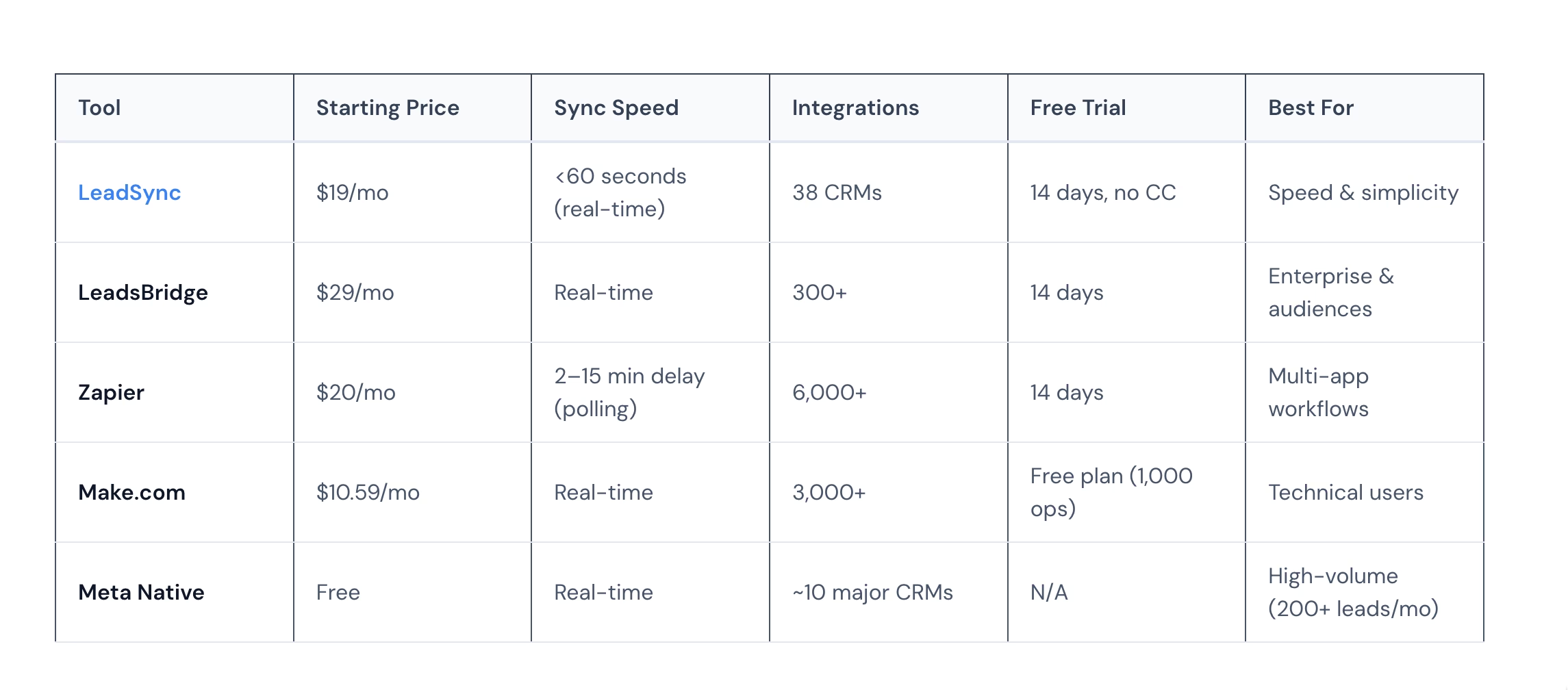
- Make.com. More capable than Zapier per dollar (visual scenario builder, loops, error handling) with paid plans from $10.59/month, but a steeper learning curve and per-operation billing. Covered in our LeadsBridge alternatives comparison.
- n8n. Open-source workflow automation you can self-host. Strong choice for developers who want control and no per-task billing, but it is a tool you run, not a service you subscribe to.
- LeadSync. Purpose-built for one job: delivering Facebook, Instagram, Google, LinkedIn, and TikTok lead ads to CRMs, email, SMS, and Google Sheets by real-time webhook. Flat $19/month, no task counting.
For a broader survey, see our roundup of workflow automation software.
The Lead Generation Angle: Why Neither Tool Is Built for It
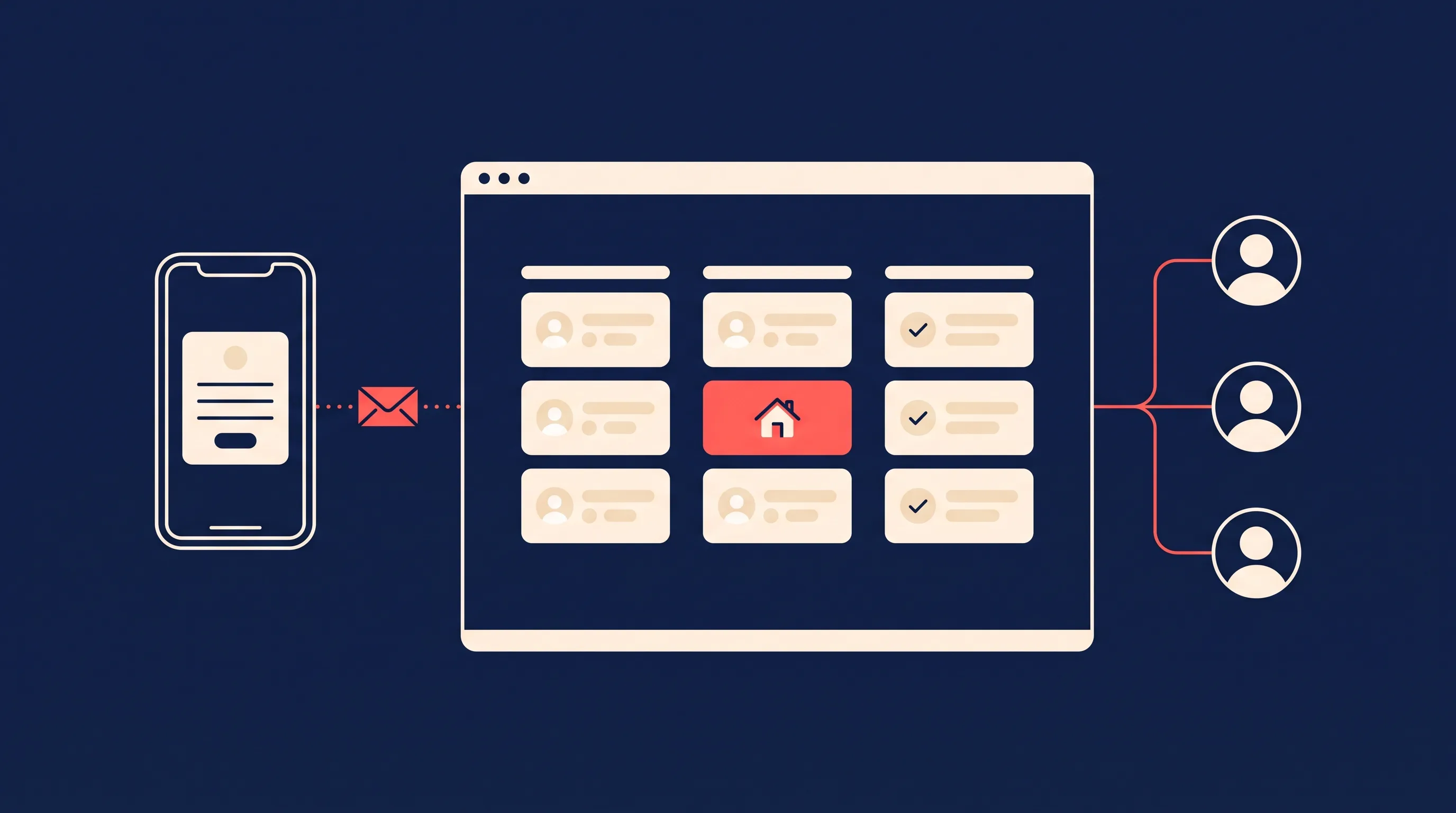
If the workflow you care about is “new lead submits my Facebook form, lead appears in my CRM and someone gets notified,” the comparison changes:
- IFTTT cannot do it at all. No lead ads trigger exists.
- Zapier can, but it polls for new leads every 2 to 15 minutes and burns 3 to 4 tasks per lead in a typical workflow. Speed to lead research shows responding within 5 minutes dramatically improves contact rates, and a polling delay eats most of that window before your team even knows the lead exists.
- Purpose-built sync uses Meta’s real-time webhooks, so the lead lands in your CRM or inbox in under 60 seconds with notifications and autoresponders included.
Plenty of businesses run both: a general automation tool for back-office workflows, and a dedicated lead sync layer for anything where minutes matter.
Frequently Asked Questions
Is IFTTT cheaper than Zapier?
Yes, by a wide margin. IFTTT Pro is $2.99/month and Pro+ is $8.99/month, while Zapier’s Professional plan starts at $19.99/month billed annually ($29.99 month-to-month). The gap reflects scope: IFTTT applets are simple two-step automations, while Zapier supports multi-step business workflows with thousands of app integrations.
Can IFTTT connect Facebook Lead Ads to my CRM?
No. IFTTT’s Facebook integration covers Page post triggers (new status, link post, or photo) and posting actions only. There is no Facebook Lead Ads trigger, so IFTTT cannot deliver lead form submissions to a CRM, spreadsheet, or email. Use Zapier, Make, or a purpose-built lead sync tool like LeadSync instead.
Which is better for business automation, Zapier or IFTTT?
Zapier. It offers thousands of business app integrations, multi-step workflows with branching and formatting, and team features. IFTTT targets personal automation: smart home devices, phone routines, and social posting. IFTTT’s Pro+ tier adds some power-user features but it is not positioned for business-critical workflows.
Is there a free alternative to Zapier?
IFTTT’s free plan covers 2 simple applets, and Make.com’s free tier includes 1,000 operations per month, which is the more capable free option for business workflows. Zapier’s own free plan allows 100 tasks per month with 15-minute polling.
What are the best IFTTT alternatives in 2026?
For business workflows: Zapier (broadest app coverage) or Make.com (more power per dollar, steeper learning curve). For developers: n8n, an open-source automation tool you can self-host. For lead generation specifically: LeadSync, which is purpose-built to deliver Facebook, Instagram, Google, LinkedIn, and TikTok leads to CRMs in real time at a flat $19/month.
Need Leads Delivered in Real Time?
If the automation you actually need is lead delivery, skip the general-purpose tools. LeadSync syncs every lead from your ad platforms to your CRM, email, or phone within 60 seconds, flat $19/month, free for 7 days with no credit card.