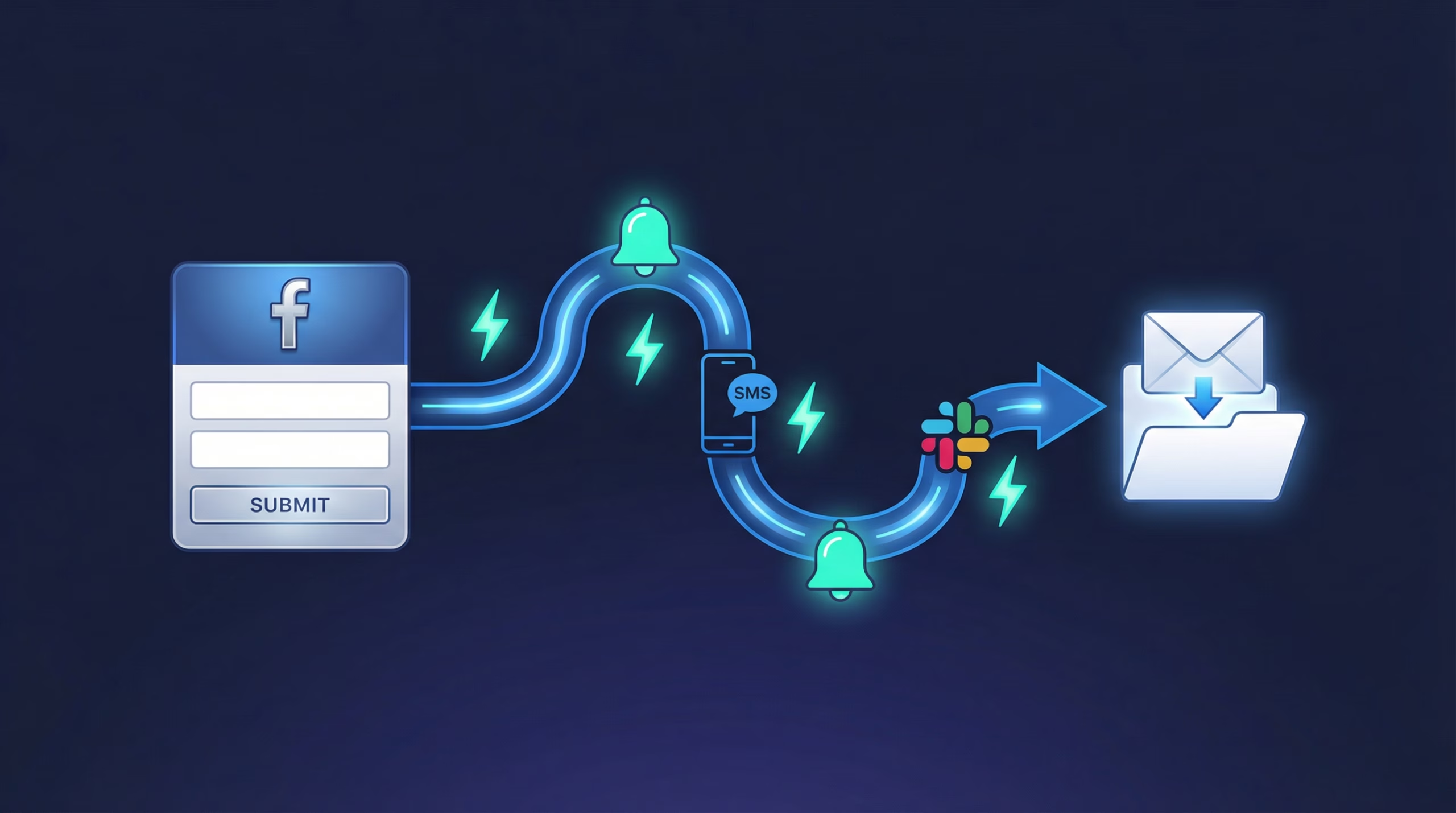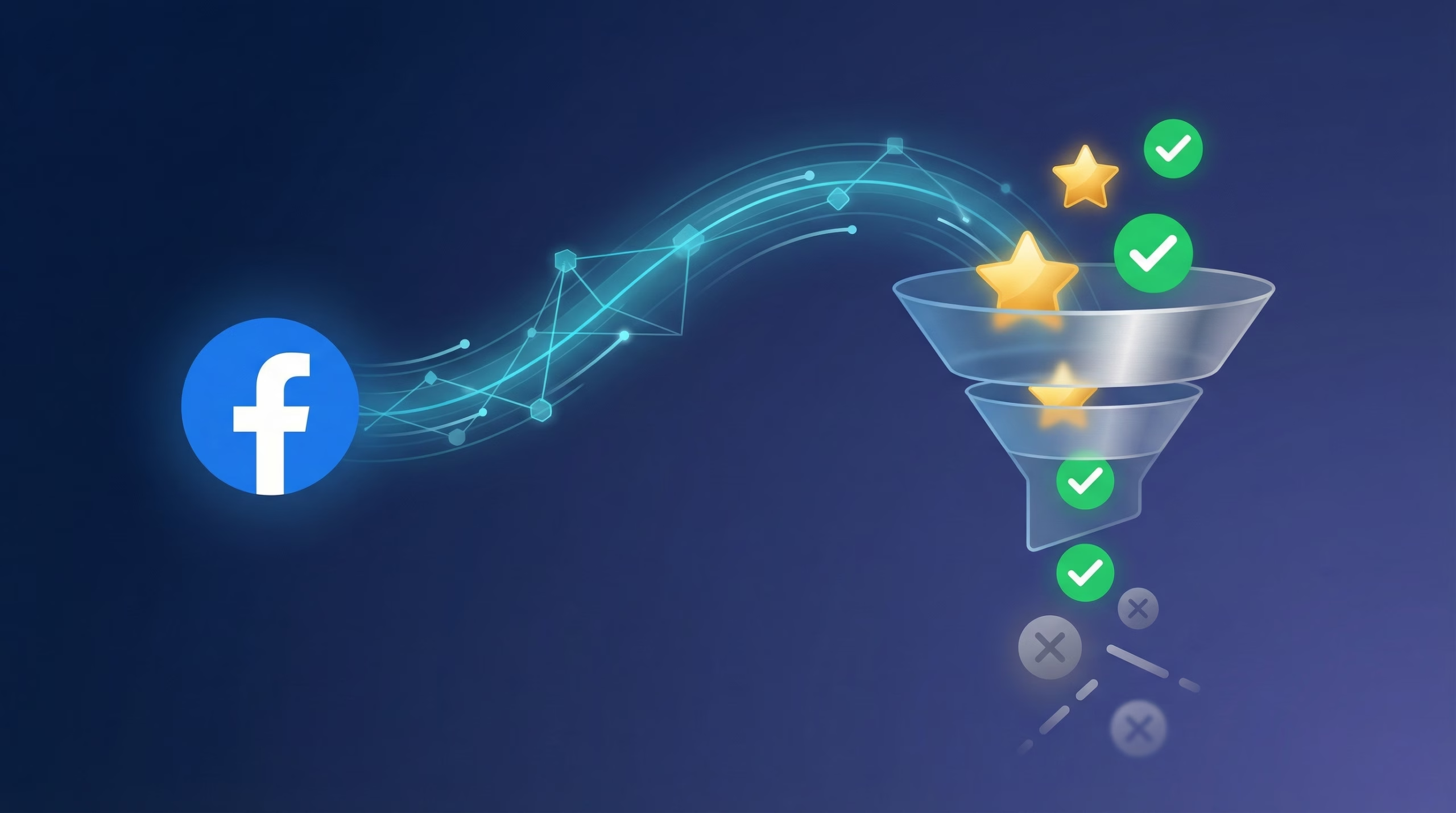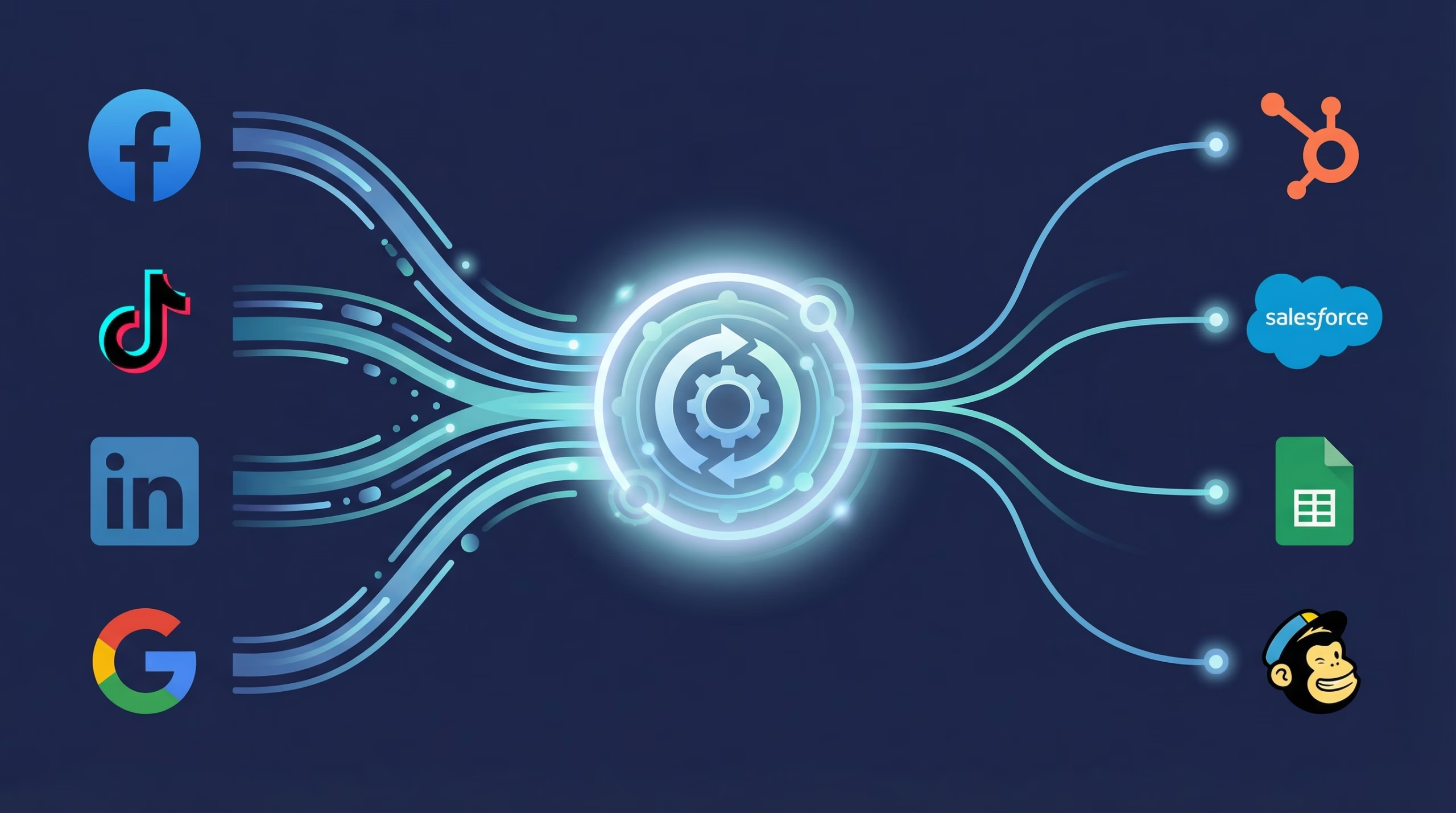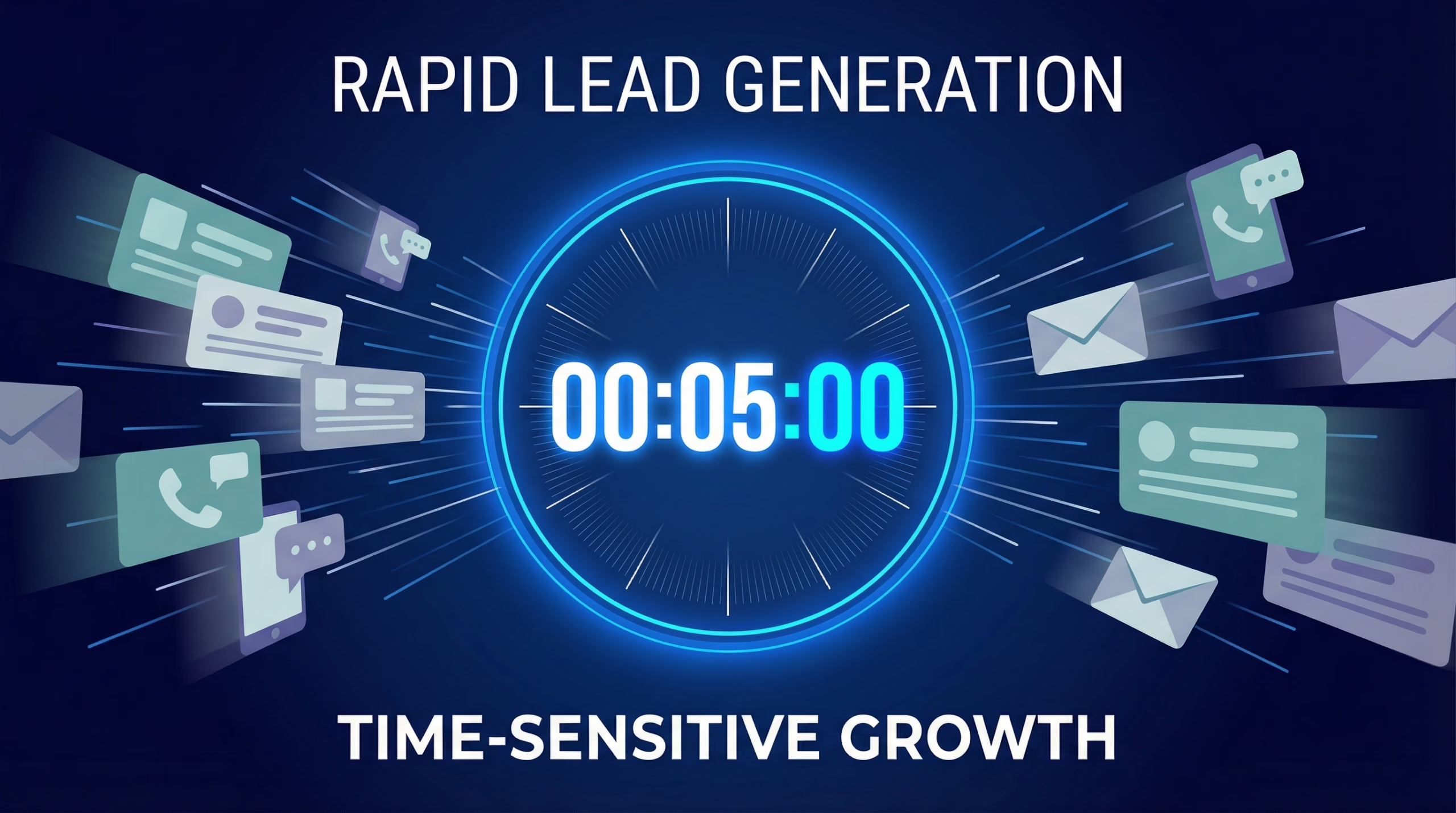
Email creators run Facebook lead ads to grow their audience. But manually subscribing leads to Kit (formerly ConvertKit) one by one wastes time and leaves some leads behind. LeadSync automates this — Facebook leads are subscribed to your Kit form instantly, tagged for your automation sequences, and ready to receive your content.
Quick Start — 5 Steps to Sync Facebook Leads
No complicated setup. This takes about 10 minutes from API key to live syncing.
- Log into your Kit account, go to Account settings, and copy your API key.
- Log into LeadSync and add a new Kit connection (paste your API key).
- Select your Kit List and Tag from LeadSync.
- Connect your Facebook page and lead form to this Kit connection.
- Save. Leads now subscribe automatically.
Why Sync Facebook Leads to Kit (ConvertKit)?
Kit is the email platform built for creators. If you’re selling courses, newsletters, or products to your audience, Kit’s automation is essential. Here’s what LeadSync delivers:
- Instant subscription: Leads subscribe to your Kit list within seconds of form submission — no manual work.
- Automatic tagging: Each lead is tagged immediately, triggering your Kit automation sequences without delay.
- Custom fields pass through: Every question on your Facebook form becomes a custom field in Kit for advanced segmentation.
- Multi-channel support: Sync leads from Facebook, Instagram, Google, LinkedIn, and TikTok to the same Kit account.
- No Zapier overhead: One direct API connection. No workflow builder. No monthly fees on top of Kit.
- Opt-in compliant: Leads are subscribed to Kit as “Unconfirmed” by default — you can auto-confirm them in settings.
- Free 14-day trial: Test with real campaigns before committing.
Step-by-Step: Connect Facebook Leads to Kit
Step 1: Get Your Kit API Key
Kit (ConvertKit) uses API key authentication for integrations. This is more secure than storing your password and lets you revoke access anytime.
Log into your Kit account. Click on your account icon (top right) and select “Account.” Look for the “API Key” section. Copy the key — you’ll use this to connect LeadSync.
Keep this key safe. If someone gets it, they can manage your subscribers. If you ever need to reset it, you can regenerate a new one from this same page, but you’ll need to update LeadSync with the new key.
Step 2: Add Kit Connection in LeadSync

Log into LeadSync. Click “Connections” in the top menu, then “Add Connections.”
Find ConvertKit/Kit in the dropdown list (it’s listed under both names). Paste your API key into the field and name this connection (example: “Kit – Newsletter Growth”). Click “Update Connection.”

LeadSync validates the API key immediately. If you see a green checkmark, you’re connected. If you see an error, verify the API key has no extra spaces or line breaks.
Step 3: Select Your Kit List and Tag
After connecting, LeadSync reads your Kit account and displays all available lists. Select the list where new subscribers should land.
Next, select or create a tag. This tag will be applied to every lead so you can trigger specific automation sequences in Kit. For example, tag them as “facebook-lead” or “free-offer-signup” so Kit knows which email sequence to send them.
Click “Update Connection” to save.
Step 4: Connect Your Facebook Lead Form

Now tell LeadSync which Facebook form to monitor. Click “Lead Forms” and select “Add Facebook Lead Form.”
You’ll need admin access to the Facebook page hosting your lead form. LeadSync will prompt you to log into Facebook and grant permission. After that, select your lead form from the dropdown.
In the “Destination” section, select your Kit connection from the dropdown. Click “Update Notifications.”
Done. From this moment forward, every lead submitted to your Facebook form will be added to Kit as a new subscriber with your selected tag.
Step 5: Test and Verify Subscription
Submit a test lead to your Facebook form. Check Kit within 10 seconds — you should see your test email appear in your subscriber list, tagged with the label you selected.
The subscriber may appear as “Unconfirmed” initially (more on that below). This is normal and doesn’t prevent email from sending. Check LeadSync’s Activity log if something goes wrong — it logs every sync with error details.
Customizing Your Kit Integration
Once syncing is live, you can fine-tune subscriber settings and field mapping in Kit.
Handling Double Opt-In and Auto-Confirm
By default, subscribers added via API appear as “Unconfirmed” in Kit. This is an opt-in protection — the subscriber received your form submission, but hasn’t clicked a confirmation email yet.
If you want to auto-confirm subscribers (they go straight to “Confirmed” without a second email), go to Kit’s form settings. In your form, click “Settings,” then look for “Incentive” section. Check the box “Auto-confirm new subscribers.” Save.
After enabling auto-confirm, new leads will skip the confirmation step and go straight into your automation sequences.
Mapping Custom Fields from Your Facebook Form
If your Facebook form includes custom questions (like “What’s your main challenge?” or “How did you hear about us?”), you can map those to Kit custom fields for better segmentation.
Go back to your lead form connection in LeadSync and click “Edit Field Mapping.” Match each Facebook form field to a Kit field or custom field on the right side.
Custom fields in Kit must exist before mapping. If you haven’t created a custom field in Kit yet, do that first (in Kit’s Subscriber settings), then refresh LeadSync.
Using Multiple Tags for Advanced Automation
One powerful strategy: use multiple tags on the same subscriber. For example, tag with both “facebook-lead” (the source) and “course-interest” (the campaign type). This lets you run highly targeted Kit automations.
LeadSync applies one tag at sync time. But once in Kit, you or your team can manually add more tags, or use Kit’s automation to add tags based on subscriber behavior (e.g., “add tag ‘engaged’ when subscriber opens 3+ emails”).
Syncing Multiple Facebook Forms to the Same Kit List
If you run multiple lead forms (different offers, different campaigns), you can point them all at the same Kit connection and list. Use different tags for each form so you know which campaign each subscriber came from.
For example: “Form 1 = tag facebook-webinar” and “Form 2 = tag facebook-freebie.” Now you can see exactly which campaign converted each subscriber.
Go Beyond Kit: Multi-Channel Lead Routing
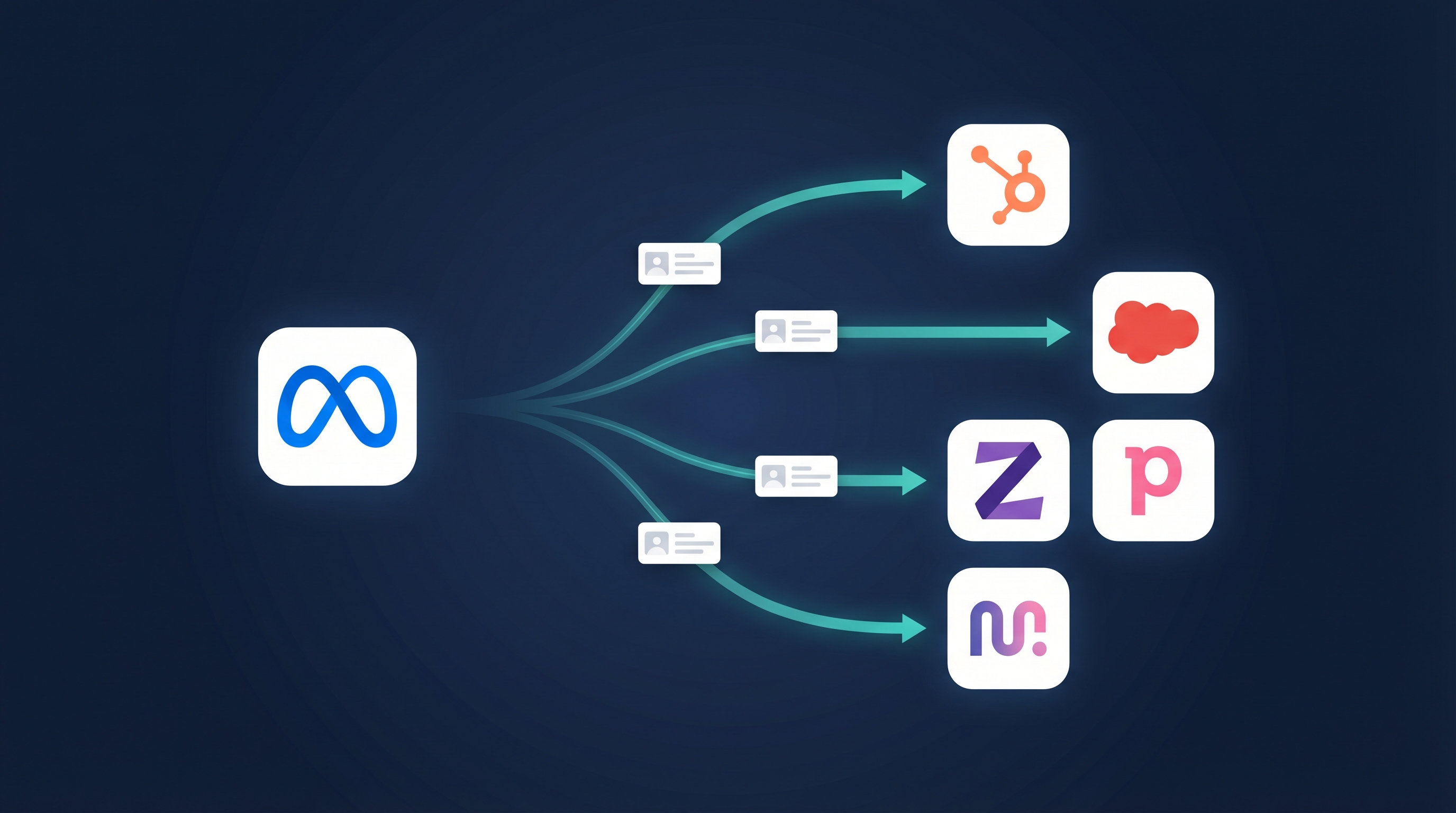
Kit is one part of your lead ecosystem. LeadSync syncs the same leads to CRMs, SMS, Slack, Google Sheets, and more — all from one Facebook form.
- Email notifications: Send instant alerts when new leads arrive.
- SMS alerts: Get text notifications for new subscribers.
- Slack notifications: Post to Slack so your team stays in sync.
- Google Sheets: Back up all leads to a spreadsheet for analytics.
Many creators use Kit + Email Notifications + Slack. This keeps subscribers in Kit, alerts you when new leads arrive, and centralizes team communication in Slack.
Frequently Asked Questions
Is it Kit or ConvertKit? Does it matter?
The company rebranded from ConvertKit to “Kit” in 2024. LeadSync supports both names interchangeably — search for either one. It’s the same product and API.
Which LeadSync plan do I need?
You need at least a Business account in LeadSync. Kit integration is not available on the free tier. Start your free 14-day trial of any paid plan to test with real campaigns.
Why do my subscribers appear as “Unconfirmed” in Kit?
That’s by design. Leads added via API are marked “Unconfirmed” until they click a confirmation link. If you want to skip this step, enable “Auto-confirm new subscribers” in your Kit form settings (under Incentive).
Will unconfirmed subscribers receive my emails?
It depends on your Kit settings, but typically no — unconfirmed subscribers are held until they confirm. Auto-confirm solves this instantly. Ask yourself: did they opt in to your Facebook form? Yes. Then auto-confirm makes sense.
How fast do leads sync to Kit?
Most leads appear in Kit within 10 seconds of form submission. Kit’s infrastructure is fast, and LeadSync prioritizes lead delivery for better conversion.
What if someone submits my form twice with the same email?
Kit’s deduplication typically catches duplicate emails and updates the existing subscriber instead of creating a duplicate. No errors, no double-subscriptions — just one clean subscriber record.
Can I sync custom form fields to Kit?
Yes. In LeadSync’s field mapping, you can match any Facebook form field to a Kit custom field. Kit’s custom fields must exist before mapping — create them in Kit first, then map them in LeadSync.
What if I need to regenerate my API key?
Go to Kit Account settings, regenerate your API key, and paste the new one into LeadSync’s connection settings. Click “Update Connection” to validate. Syncing resumes immediately.
Does this work with Google, LinkedIn, and TikTok lead ads?
Yes. Create separate lead form connections for Google, LinkedIn, and TikTok, and point them all at the same Kit connection. All subscribers land in Kit with the same tags and field mapping.
What if the sync fails?
Check LeadSync’s Activity log for detailed error messages. Most issues are API key problems or field mapping mismatches. If you need help, email support@leadsync.me with your connection name — responses usually come within 1 hour.
Related Integration Guides
Looking for a different destination for your Facebook leads? These integration guides walk you through setup step by step:
- How to Send Facebook Leads to MailerLite
- How to Send Facebook Leads to AWeber
- How to Send Facebook Leads to Campaign Monitor
- How to Send Facebook Leads to Constant Contact
- How to Send Facebook Leads to SendGrid
Start Syncing Facebook Leads to Kit Today
Stop manually adding subscribers to Kit. LeadSync puts every Facebook lead into your list instantly, tagged and ready for your email sequences.
Start your free 14-day trial → No credit card. No setup fees. Cancel anytime.