HVAC lead generation is a critical part of home services lead generation — the process of attracting homeowners and businesses who need heating, ventilation, or air conditioning services — and converting them into paying customers. In 2026, HVAC companies that combine a strong online presence with paid lead ads and automated follow-up are consistently outperforming those relying on word-of-mouth alone.
This guide covers 20+ proven strategies for generating HVAC leads, from optimizing your website and running Facebook Lead Ads to automating lead follow-up with CRM tools like Jobber, ServiceTitan, and HouseCall Pro. Whether you’re a one-truck operation or managing a growing team, these strategies will help you fill your schedule with qualified leads.
Key Takeaways
Facebook and Google Lead Ads are the most cost-effective paid channels for HVAC companies, with average CPLs of $30-75 — significantly cheaper than Google Search Ads.
Speed to lead matters — HVAC companies that respond within 5 minutes are 21x more likely to convert a lead than those who wait 30 minutes.
Automating lead delivery from your ad platform to your CRM (Jobber, ServiceTitan, or HouseCall Pro) eliminates manual data entry and ensures no lead falls through the cracks.
Maximizing Your Online Presence for HVAC Lead Generation
For any HVAC company aiming to generate leads and grow, a strong online presence is essential. It’s where most potential customers search for HVAC services. By optimizing your website, creating engaging content, and utilizing social media platforms, you can maximize your online visibility and attract more HVAC leads.
Website Optimization for HVAC Businesses
A well-optimized website is the foundation of any successful online marketing strategy. Focus on:
User-friendly design with clear calls-to-action (“Get a Free Quote” or “Schedule Service”)
Mobile responsiveness — most HVAC searches happen on phones, especially during emergencies
Fast page load speeds (under 3 seconds)
Relevant keywords on service pages (e.g., “AC repair [city]”, “furnace installation near me”)
Make it easy for customers to request a quote or book a service call at a time that’s convenient for them. Adding special deals, seasonal promotions, and maintenance plan offers can also encourage more visitors to convert into leads on your website.
Content Marketing Strategies
Content marketing helps you demonstrate expertise and attract potential customers through search. Create blog posts, videos, or infographics that answer common questions homeowners have — like “How often should I replace my HVAC filter?” or “What size AC unit do I need for my home?” This builds trust and positions you as the go-to expert in your service area.
Social Media for HVAC Companies
Facebook, Instagram, and even Nextdoor are prime platforms for HVAC companies. Share before-and-after photos of installations, seasonal maintenance tips, and customer testimonials. Respond to inquiries quickly — social media leads expect faster response times than traditional channels.
Platforms like Nextdoor.com are particularly effective for HVAC companies because they’re hyper-local — homeowners actively recommend contractors in their neighborhood.
Using Facebook Lead Ads for HVAC Lead Generation

Facebook Lead Ads (also called Meta Lead Ads) are one of the most cost-effective ways for HVAC companies to generate leads. Unlike standard ads that send people to a landing page, Lead Ads let homeowners submit their contact information directly within Facebook or Instagram — no website visit required. This reduces friction and typically delivers a lower cost per lead.
For HVAC companies, the average cost per lead on Facebook ranges from $30-75, compared to $67+ on Google Ads. That makes Facebook Lead Ads particularly attractive for smaller HVAC businesses with limited ad budgets.
How HVAC Companies Use Facebook Lead Ads
The most effective HVAC Lead Ad campaigns target homeowners within your service area with seasonal, urgent offers. Examples that perform well include:
AC tune-up specials — “Book your $79 AC tune-up before summer” (run in spring)
Furnace inspection offers — “Free furnace safety check — limited spots” (run in fall)
New system quotes — “Get a free quote on a new high-efficiency AC system”
Maintenance plan sign-ups — “Join our VIP maintenance plan — priority scheduling + 15% off repairs”
To create effective Facebook Lead Ads, focus on eye-catching visuals (photos of your team or equipment work well), a clear offer, and a short form. Keep your lead form to 3-4 fields maximum — name, phone, email, and one qualifying question like “What service do you need?” Adding a qualifying question improves lead quality without hurting conversion rates.
Why Speed to Lead Is Critical for HVAC
HVAC is an urgency-driven business. When a homeowner’s AC breaks in July or their furnace dies in January, they’re contacting multiple companies and booking whichever one responds first. Research shows that responding within 5 minutes makes you 21x more likely to qualify a lead compared to waiting 30 minutes.
The problem? Facebook doesn’t send lead notifications reliably. Many HVAC companies discover new leads hours later when they check their Ads Manager manually. By then, the homeowner has already booked with a competitor.
The fix is automating lead delivery so new leads instantly appear in your CRM and trigger a notification to your team. Tools like LeadSync send leads from Facebook to your CRM, email, or phone within seconds — not hours. We’ll cover the automation setup in the CRM integration section below.
Google Lead Form Extensions for HVAC
Google also offers lead forms through Lead Form Extensions on Search, YouTube, and Display campaigns. When a homeowner searches “AC repair near me” on Google, your ad can include a lead form that captures their details right on the search results page.
For HVAC companies, Google Lead Form Extensions are especially powerful because they capture high-intent leads — people actively searching for HVAC services. While the cost per lead tends to be higher than Facebook ($50-100+), these leads are often further along in the buying process.
You can use the same lead sync tools to automatically send Google lead form submissions to your CRM, ensuring consistent follow-up across both platforms.
Remarketing Strategies

Remarketing lets you serve targeted ads to people who have already visited your website or interacted with your Facebook page. For HVAC companies, this means staying top-of-mind with homeowners who browsed your services page but didn’t request a quote.
Set up a Facebook Pixel on your website to track visitors, then create remarketing audiences. Show these warm audiences a Lead Ad with a specific offer (“Still need AC repair? Book today and save $50”). Remarketing typically delivers lower CPLs because these people already know your brand.
Automating HVAC Lead Follow-Up with CRM Integration
Running Facebook or Google Lead Ads is only half the battle. The other half is what happens after a lead comes in. If leads sit in a spreadsheet or get lost in an email inbox, you’re wasting your ad spend.
Most HVAC companies use field service management software like Jobber, ServiceTitan, or HouseCall Pro to manage their jobs, scheduling, and clients. The problem is that none of these platforms natively sync with Facebook or Google Lead Ads. That means someone on your team has to manually download leads from Facebook and type them into your CRM — a process that’s slow, error-prone, and guarantees you’ll lose leads.
How to Sync Facebook Leads to Jobber, ServiceTitan, or HouseCall Pro
Tools like LeadSync bridge this gap by automatically sending every new Facebook or Google lead directly to your CRM within seconds. Here’s how the workflow looks for an HVAC company:
A homeowner sees your Facebook Lead Ad for a “$79 AC tune-up” and submits their info
LeadSync instantly captures the lead and sends it to your CRM (e.g., Jobber) as a new client
Your team gets an instant email or SMS notification with the lead’s details
The lead is contacted within minutes, before they’ve had a chance to call your competitor
This automation eliminates manual data entry, ensures no leads fall through the cracks, and dramatically improves your speed to lead. For HVAC companies running seasonal campaigns where lead volume spikes, this is especially critical — you can’t afford to manually process 20+ leads per day during peak season.
If you’re using Jobber, check out our step-by-step guide on connecting Facebook Lead Ads to Jobber. For ServiceBridge users, see our ServiceBridge integration guide.
Leveraging Local SEO for HVAC Lead Generation

Local SEO helps your HVAC business rank higher in local search results, increasing visibility to homeowners searching for HVAC services in your area. With most HVAC searches being local (“AC repair near me”), this is one of the highest-ROI lead generation strategies available.
Google Business Profile for HVAC Companies
Your Google Business Profile (formerly Google My Business) is often the first thing potential customers see. Make sure your business information — hours, location, services, and phone number — is accurate and complete. Add photos of your team, vehicles, and completed jobs. Most importantly, respond to every customer review, as this signals to Google that your business is active and engaged.
Local Citations and Directories
Build local citations by listing your business on directories like Yelp, Angi, HomeAdvisor, and industry-specific platforms. Ensure your name, address, and phone number (NAP) are consistent across every listing. Inconsistent information confuses search engines and can hurt your local rankings.
Earning Local Backlinks
Earn local backlinks by partnering with other businesses in your area, sponsoring community events, or contributing to local news outlets. These links tell search engines your HVAC business is a trusted part of the local community, boosting your rankings for location-based searches.
Building Strong Customer Relationships for HVAC Lead Generation
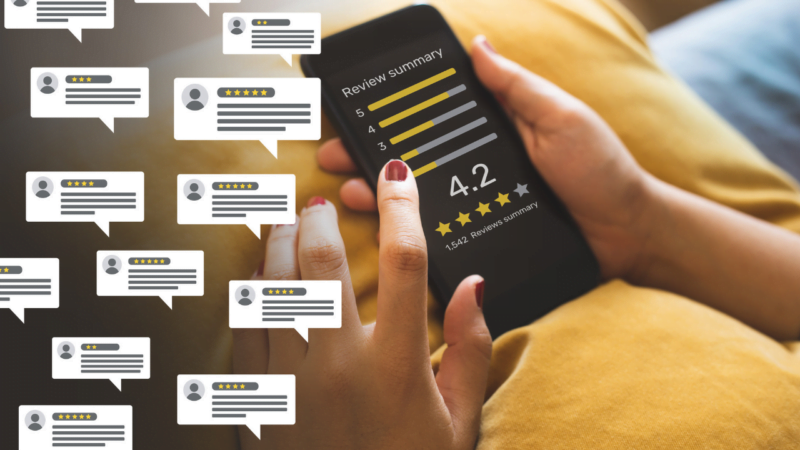
Strong customer relationships lead to referrals, repeat business, and positive reviews — all of which feed your lead generation engine. Here’s how to build them.
Implementing a Referral Program
Create a referral program that rewards existing customers for recommending your HVAC services. Offer a credit toward their next service call, a gift card, or a discount on their maintenance plan for every successful referral. Make the program simple — the easier it is to refer someone, the more referrals you’ll get.
Providing Excellent Customer Service
Exceptional customer service starts with showing up on time, communicating clearly about pricing, and leaving the job site clean. Follow up after every service call to confirm the customer is satisfied. These small touches build loyalty and turn one-time customers into long-term clients who refer their neighbors.
Encouraging Online Reviews
After completing a job, send a text or email with a direct link to leave a Google review. Positive reviews influence potential customers and improve your local search rankings. Tools like ServiceTitan’s reputation management feature can automate review request sending and help you monitor your online reputation across platforms.
Collaborating with Local Partnerships and Networking

Local partnerships and networking can generate a steady stream of HVAC leads through referrals and word-of-mouth. These relationships take time to build but deliver some of the highest-quality leads.
Partnering with Real Estate Agents and Property Managers
Real estate agents and property managers regularly need HVAC inspections, repairs, and installations for their properties. Build relationships with these professionals in your area — they can become a reliable source of recurring leads. Consider offering them a referral fee or priority scheduling to incentivize the partnership.
Attending Trade Shows and Networking Events
Events like the ACCA Conference, Service World Expo, and local PHCC chapter meetings are valuable for connecting with industry professionals, learning about new techniques, and building referral networks. Prepare an elevator pitch, bring business cards, and engage proactively with other attendees.
Joining Industry Associations
Industry associations like the Air Conditioning Contractors of America (ACCA), HARDI, and PHCC provide resources, training, and networking opportunities. Membership also adds credibility — displaying an ACCA badge on your website and trucks signals professionalism to potential customers.
Measuring and Analyzing Your HVAC Lead Generation Efforts
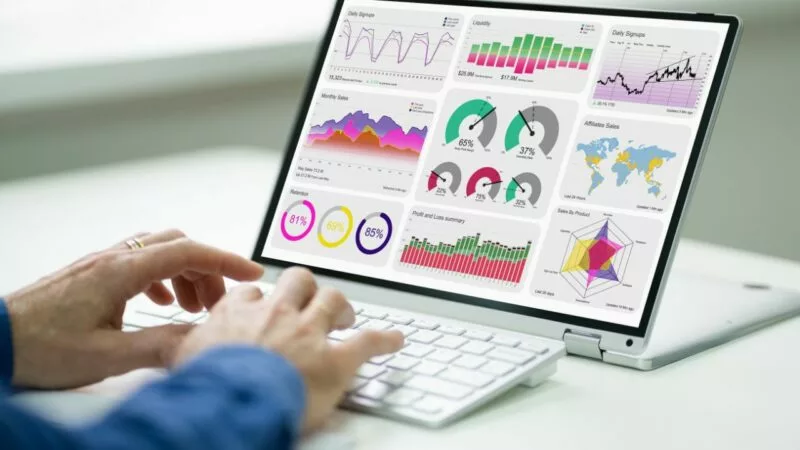
You can’t improve what you don’t measure. Track these metrics to understand which lead generation strategies are working and where to invest more.
Using Analytics Tools
Google Analytics shows you where your website traffic comes from, which pages generate the most leads, and how visitors interact with your site. Connect it with your ad platforms to track the full journey from ad click to lead submission.
Key Performance Indicators (KPIs) for HVAC Lead Gen
The KPIs that matter most for HVAC lead generation are:
Cost per lead (CPL) — How much are you paying for each lead? Aim for $30-75 on Facebook, $50-100+ on Google.
Lead-to-appointment rate — What percentage of leads book a service call?
Speed to lead — How quickly does your team contact new leads?
Cost per acquisition (CPA) — How much does it cost to win a paying customer?
Return on ad spend (ROAS) — For every dollar spent on ads, how much revenue do you generate?
Adjusting Strategies Based on Data
Review your KPIs monthly. If your Facebook Lead Ads are generating leads at $40 each but your Google Ads cost $120 per lead, shift more budget to Facebook. If your lead-to-appointment rate is low, the issue may not be lead volume but lead follow-up speed — check whether your team is responding within 5 minutes.
Summary
HVAC lead generation in 2026 requires a multi-channel approach: a strong website, local SEO, paid lead ads on Facebook and Google, referral programs, and — critically — automated lead follow-up that connects your ad platforms directly to your CRM. The HVAC companies winning the most business aren’t necessarily spending the most on ads — they’re the ones responding fastest. Automate your lead pipeline, track your KPIs, and focus your budget on the channels delivering the best cost per lead.
Frequently Asked Questions
What is the average cost per lead for HVAC companies?
The average cost per lead for HVAC companies varies by channel. Facebook Lead Ads typically cost $30-75 per lead, Google Ads $50-150+, and third-party lead services like Angi or HomeAdvisor charge $15-80 per lead (though quality varies). For a detailed breakdown, see our Facebook Lead Ads cost per lead benchmarks.
How do I automatically send Facebook leads to my HVAC CRM?
Use a lead sync tool like LeadSync to automatically send Facebook Lead Ad submissions to your CRM (Jobber, ServiceTitan, HouseCall Pro, or others) in real time. This eliminates manual data entry and ensures your team can follow up within minutes. See our guide on connecting Facebook leads to Jobber for a step-by-step walkthrough.
Are Facebook Lead Ads worth it for HVAC companies?
Yes — Facebook Lead Ads are one of the most cost-effective lead generation channels for HVAC companies. They typically deliver leads at $30-75 each (cheaper than Google Ads), and the in-app form format reduces friction for homeowners. The key to success is fast follow-up: automate lead delivery to your CRM so your team contacts leads within minutes, not hours.
What CRM should HVAC companies use for lead management?
The most popular CRMs for HVAC companies are Jobber (great for growing businesses, starting at $25/mo), ServiceTitan (best for larger operations), and HouseCall Pro (ideal for small teams). All three handle scheduling, invoicing, and client management. To connect them with Facebook or Google Lead Ads, use a lead sync tool like LeadSync.
How quickly should HVAC companies respond to leads?
Within 5 minutes. HVAC is urgency-driven — when a homeowner’s AC breaks, they contact multiple companies and book whichever responds first. Companies that respond within 5 minutes are 21x more likely to qualify the lead than those who wait 30 minutes. Real-time lead notifications via email or SMS help your team respond instantly.