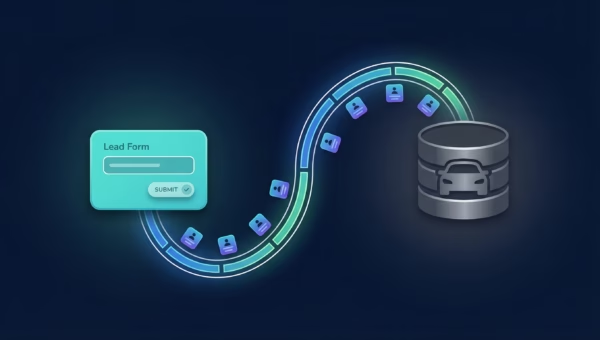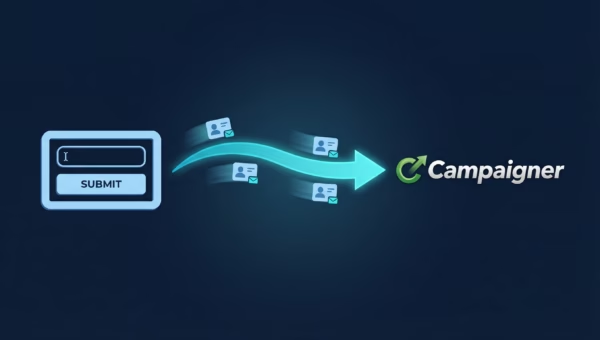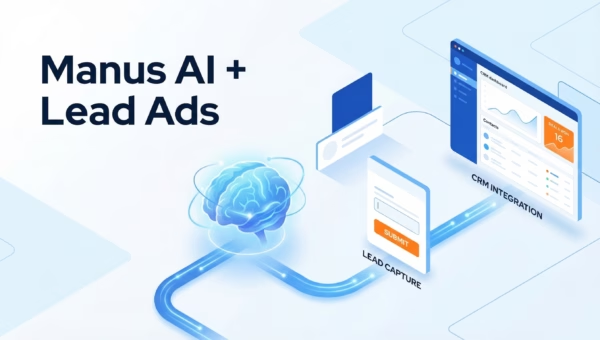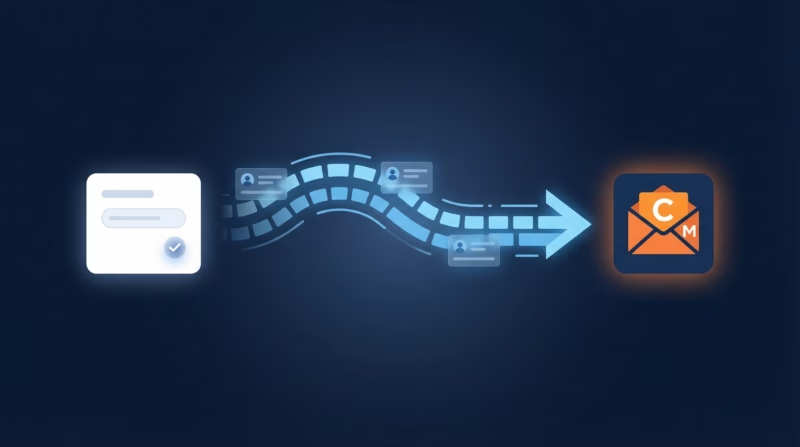
Google Ads lead form extensions capture qualified prospects on the platform where they’re already searching and clicking. But manual CSV exports and day-long delays mean cold leads by the time you reach out. With LeadSync, your Google Ads leads sync directly to Campaign Monitor in real time—no Zapier, no manual exports, no delays. Start your welcome journey the moment a prospect fills out your lead form.
Quick Start
- Copy your Campaign Monitor API Key from Account Settings
- Log in to LeadSync and navigate to Ad Accounts > Google to connect your Google Ads account
- Set up Campaign Monitor as a new connection by pasting your API Key and selecting your subscriber list
- Add a Google lead form extension, select it in LeadSync, and map fields (email, name, custom fields)
- Test with a lead and verify it appears in Campaign Monitor within 1-2 minutes
Why Sync Google Ads Leads to Campaign Monitor?
Campaign Monitor is a powerful email marketing platform trusted by agencies and brands for subscriber management and automated email journeys. But without real-time lead integration, you’re stuck downloading CSVs and manually uploading them—a workflow that delays your first touch and wastes time.
LeadSync bridges that gap with instant Google-to-Campaign Monitor syncing. Here’s why it matters:
- Real-time syncing — Leads land in your Campaign Monitor list within 1-2 minutes, so your welcome journey starts immediately
- GDPR consent-to-track automatically set — LeadSync captures consent from your Google lead form submission, so every lead is added to Campaign Monitor with the right compliance flag
- Custom field mapping — Map Google form fields to Campaign Monitor custom fields (company, phone, source, industry, etc.)
- Multi-source support — Sync leads from Google, Facebook, LinkedIn, and TikTok to the same Campaign Monitor list
- No Zapier required — LeadSync handles the integration natively, saving you zap budget and setup complexity
- 14-day free trial — Test the full integration with no credit card required
Step-by-Step: Connect Google Ads Leads to Campaign Monitor
Step 1: Log in to Campaign Monitor and Copy Your API Key
Campaign Monitor stores API credentials in your Account Settings. Here’s how to find them:
- Log in to your Campaign Monitor account
- Click your profile icon (top right) and select Account Settings
- Navigate to the API Keys tab
- Copy your API Key (a long alphanumeric string)
Keep these credentials handy—you’ll paste them into LeadSync in the next step. Never share these publicly or hardcode them in unsecured files.
Step 2: Connect Your Google Ads Account to LeadSync
Before you can select your Google lead form, you need to connect your Google Ads account to LeadSync:
- Log in to your LeadSync account at https://leadsync.me/account/signin
- From the left sidebar, click Ad Accounts, then select Google
- Click the Add Google Account button
- Sign in to your Google account and authorize LeadSync to access your ad accounts
- Once authorized, your Google Ads account appears in the connected accounts table
Step 3: Add Campaign Monitor as a Connection
Now set up Campaign Monitor as a destination for your leads:
- From the LeadSync dashboard, click Connections in the left sidebar
- Click the Add Connection button
- From the provider list, select Campaign Monitor
- Paste your Campaign Monitor API Key in the field
- Click Connect to authenticate
- Select the Campaign Monitor subscriber list where you want leads to appear
- Name your connection (e.g., “Google Ads List”) for easy identification
- Click Update Connection to save
Step 4: Set Up Your Google Lead Form Connection
Now tell LeadSync which Google lead form extension to listen to:
- In LeadSync, navigate to Lead Forms from the left sidebar
- Click Add Google Lead Form
- From the “Ad Account” dropdown, select your connected Google Ads account
- From the “Lead Form Extension” dropdown, select the specific lead form you want to monitor
- From the “Destination” dropdown, select your Campaign Monitor connection
- Click Update Notification
LeadSync is now listening to your Google lead form extension and will forward leads to Campaign Monitor automatically.
Step 5: Map Your Google Fields to Campaign Monitor
LeadSync needs to know which Google form fields map to which Campaign Monitor fields. Configure this in the field mapping section:
- Email — Google lead form “Email” field → Campaign Monitor email address (required)
- First Name — Google “First Name” field → Campaign Monitor first name (or subscriber name)
- Last Name — Google “Last Name” field → Campaign Monitor last name (optional)
- Custom fields — Map additional Google form fields (phone, company, industry, budget, etc.) to Campaign Monitor custom fields you’ve created
Campaign Monitor requires an email address to create a new subscriber, so email mapping is essential. If your Google lead form collects all the fields you need, your subscribers will land in Campaign Monitor with complete data—no manual data entry required.
Step 6: Test with a Lead
Before declaring victory, verify the integration works end-to-end:
- Submit a test lead through your Google lead form extension (use your own email address or a test address)
- Wait 1-2 minutes for LeadSync to process and forward the lead
- Log in to Campaign Monitor and check your subscriber list
- Verify the test lead appears with the correct fields populated (email, name, custom fields)
If the test lead doesn’t appear within 2 minutes, verify that your API Key is correct, that you’ve selected the right Campaign Monitor list, and that the email field is properly mapped. Most issues stem from typos in the API Key or a mismatch in field mapping.
Customizing Your Campaign Monitor Integration
Once the basics are working, you can refine the integration to match your workflow:
Map Custom Fields for Better Segmentation
If your Google lead form collects additional data beyond email and name (company, industry, budget, timeline, phone), create matching custom fields in Campaign Monitor and map them in LeadSync. This lets you segment subscribers and personalize email campaigns without manual data entry. For example, you could segment leads by budget tier and send different welcome journeys to enterprise prospects versus SMBs.
Set Up Automated Welcome Journeys
With real-time syncing, your Campaign Monitor automations trigger the moment a lead subscribes. Set up a welcome series that introduces your product, qualifies the lead, asks follow-up questions, or offers a discount—all without lifting a finger. Since Google Ads leads have already shown intent by clicking your ad, these leads are warm and ready to engage.
Verify GDPR Consent
LeadSync captures the consent-to-track flag from your Google lead form submission. Campaign Monitor respects this flag, so your leads are added with the correct compliance status. If you’re in the EU or have EU subscribers, this is critical for staying compliant.
Monitor Sync Performance
LeadSync’s dashboard shows you sync status, success rate, and any errors. If a lead fails to sync (rare), you’ll see the error and can troubleshoot quickly. This transparency helps you catch issues before they impact your email campaigns.
Go Beyond Campaign Monitor: Multi-Channel Lead Routing
Google Ads leads are valuable, but Campaign Monitor is just one destination. LeadSync lets you route the same lead to multiple channels simultaneously:
- Email notifications — Notify your team instantly when a hot lead arrives
- Slack — Post leads to a Slack channel for real-time team visibility
- Google Sheets — Append leads to a spreadsheet for analysis and reporting
- SMS notifications — Send urgent alerts via text when high-value leads arrive
Most users combine Campaign Monitor with Slack and email to ensure no lead falls through the cracks—marketing gets the lead in Campaign Monitor for nurturing, sales gets notified in Slack for immediate outreach.
Frequently Asked Questions
Does LeadSync work with Google Ads lead forms and Campaign Monitor?
Yes. LeadSync natively integrates with Google Ads lead form extensions and Campaign Monitor via API, so you can sync Google leads directly to your subscriber lists without Zapier or manual exports.
How fast do Google Ads leads sync to Campaign Monitor?
Most leads sync within 1-2 minutes. Google publishes leads to LeadSync as they’re submitted, and LeadSync immediately forwards them to Campaign Monitor. In rare cases (API outages), LeadSync queues and retries, so no leads are lost.
Do I need to authorize LeadSync to access my Google Ads account?
Yes. When you click “Add Google Account” in LeadSync, you’ll be prompted to sign in to Google and authorize LeadSync. This is a standard OAuth flow—your password never touches LeadSync’s servers. You can revoke access anytime from your Google Account settings.
What fields can I map from my Google lead form?
At minimum, you must map the email field (Campaign Monitor requires this). You can also map first name, last name, phone, company, and any custom fields you’ve created in both your Google lead form and Campaign Monitor. LeadSync will show you all available fields from your Google form when you set up the mapping.
Can I send Google leads to multiple Campaign Monitor lists?
Yes. Set up separate Campaign Monitor connections in LeadSync for each subscriber list, then route different Google lead forms to different lists. This is useful if you run multiple campaigns targeting different audiences (e.g., enterprise vs. SMB, by geography, by product line, etc.).
Do I need Zapier for this integration?
No. LeadSync handles the integration natively, which means no Zapier subscription, no zap usage limits, and simpler troubleshooting. If you’re already on Zapier for other workflows, that’s fine—but you don’t need it for Google Ads to Campaign Monitor syncing.
Is there a free trial?
Yes. LeadSync offers a 14-day free trial with no credit card required. Connect your Google Ads account, set up Campaign Monitor, test it with real leads, and cancel anytime if it’s not for you. (But we think you’ll love it.)
Does it support GDPR consent?
Yes. LeadSync automatically captures and respects the consent-to-track flag from your Google lead form submission, so every lead is added to Campaign Monitor with the correct compliance status. If you’re processing EU subscribers, you’re covered.
What happens if Campaign Monitor is down?
LeadSync has built-in retry logic. If Campaign Monitor is temporarily unavailable, LeadSync queues the lead and tries again. Once Campaign Monitor is back up, the lead syncs automatically. You won’t lose any leads.
Related Integration Guides
Looking for a different destination for your Google Ads leads? These integration guides walk you through setup step by step:
- How to Send Google Ads Leads to SendGrid
- How to Send Google Ads Leads to MailerLite
- How to Send Google Ads Leads to Customer.io
- How to Send Google Ads Leads to Kit (ConvertKit)
- How to Send Google Ads Leads to Moosend
Ready to Sync Your Google Ads Leads?
Stop exporting Google Ads leads and uploading them manually to Campaign Monitor. Let LeadSync handle the work so you can focus on nurturing leads the moment they submit your form. Try LeadSync free for 14 days—no credit card required, no hidden fees.
Start your free trial today and sync your first Google lead to Campaign Monitor in under 5 minutes.